

Master the Art of Winning at Classic Casino Games

Have you ever wondered what makes casino games so enduringly popular across cultures and centuries? At their core, these are structured contests of chance and skill, where players wager on outcomes determined by random number generators or physical mechanics like dice rolls and card shuffles. Each game offers a unique blend of strategy, probability, and immediate feedback, providing a direct and engaging form of entertainment where the primary benefit is the thrill of potential reward.
How Different Types of Casino Games Actually Work
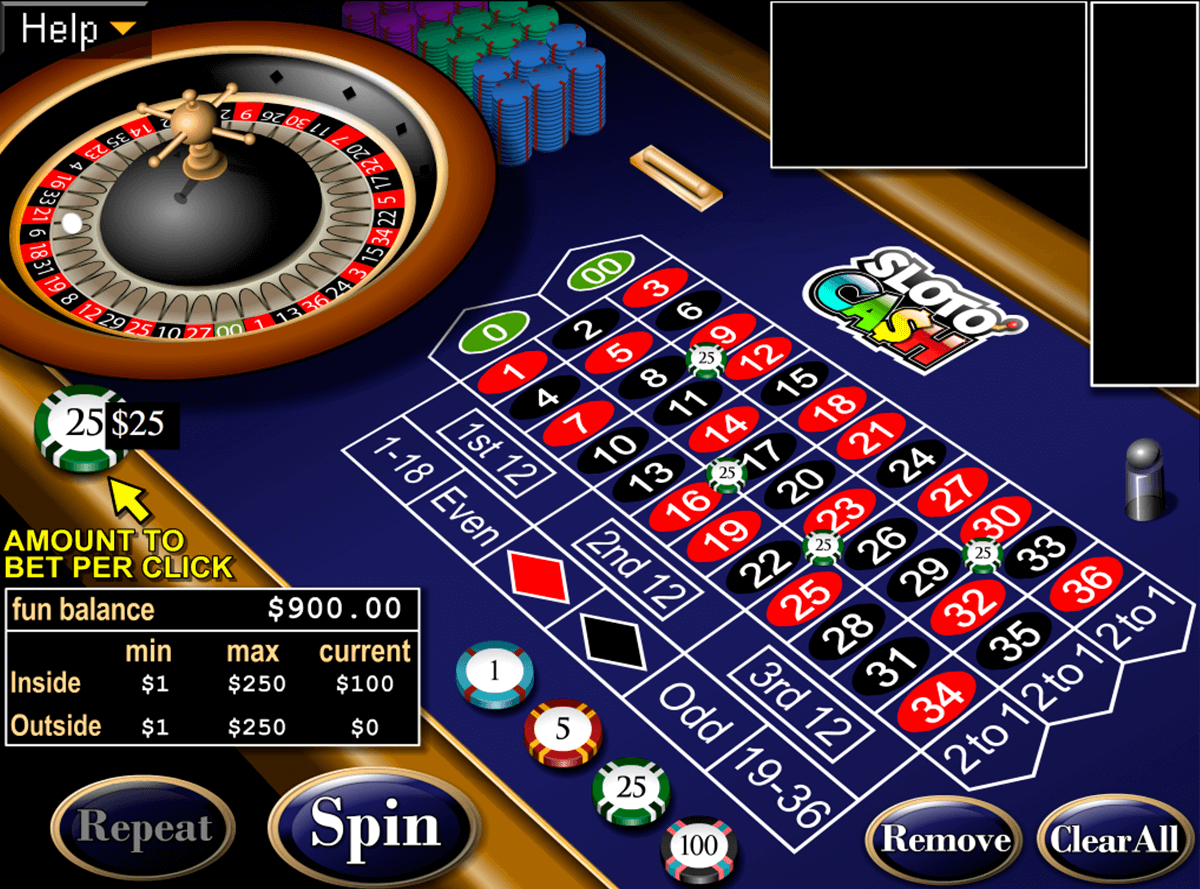
Slots use a random number generator to determine each spin’s outcome instantly; symbols align only when the RNG hits a matching combination. Blackjack pits your hand against a fixed dealer draw, where the house edge stems from the rule that the dealer must hit on 16 and stand on 17. In roulette, a physical ball lands on a numbered pocket, but the true odds are skewed by the green zero (or double zero in American roulette), giving the house its mathematical advantage. Craps resolves through dice rolls, with pass-line bets winning on a 7 or 11 on the come-out roll. Baccarat deals two hands based on fixed drawing rules; only the player or banker bet wins. Video poker combines RNG-dealt cards with strategic holds from a 52-card deck, where optimal play reduces the house edge significantly. Poker variants like Texas Hold’em involve player-versus-player skill, with the casino taking a rake from each pot.
Understanding Slot Machines: Reels, Paylines, and RTP
Understanding slot machines begins with the reels, paylines, and RTP. Reels are the vertical columns that spin, typically three to five, displaying symbols like fruits or sevens. Paylines are the predetermined patterns across the reels where matching symbols must land to trigger a win; modern slots often feature 20 to 50 adjustable lines. The RTP (Return to Player) is the theoretical percentage of all wagered money a machine will pay back over time, usually ranging from 92% to 98%. For example, a 96% RTP implies a $4 house edge per $100 wagered, but this is calculated over millions of spins, not each session.
Table Game Basics: Blackjack, Roulette, Baccarat, and Craps
Table game basics for blackjack, roulette, baccarat, and craps revolve around distinct core mechanics. Blackjack pits players against a dealer using card values to reach 21 without busting. Roulette involves betting on where a ball lands on a spinning wheel with numbered slots. Baccarat compares two hands—player and banker—with a fixed drawing rule set. Craps centers on dice outcomes, with pass line bets being the fundamental wager. Each game uses specific house odds derived from its mathematical structure, not player skill.
Blackjack demands strategy against a dealer, roulette relies on wheel prediction, baccarat follows strict hand-comparison rules, and craps hinges on dice probabilities. These four table games each have unique procedural rules and static house advantages.

Video Poker and Specialty Games: What Sets Them Apart
Video poker distinguishes itself from specialty games by merging slot-machine simplicity with a skill-based payoff structure derived from five-card draw poker. Unlike purely random specialty titles like keno or bingo, video poker lets players hold or discard cards after the initial deal, directly influencing the final hand’s rank and payout. Specialty games, in contrast, rely entirely on predetermined number draws or pattern matches with no player decisions after placement. This core difference means video poker reward strategy rewards optimal card-holding decisions, while specialty games hinge solely on blind chance, offering a static house edge regardless of play choices.
| Aspect | Video Poker | Specialty Games |
|---|---|---|
| Player input after bet | Select cards to hold/discard | No further decisions |
| Outcome basis | Poker hand rankings from https://torontowolfpack.com final 5 cards | Random number draw or pattern match |
| Skill impact | Directly affects payout frequency | None – purely probabilistic |
Key Features to Look for When Choosing a Game
When choosing a casino game, the primary concept is volatility and return-to-player (RTP) percentage. High volatility offers infrequent but larger payouts, ideal for thrill-seekers, while low volatility provides steady, smaller wins for longer sessions. Always check the RTP—games above 96% statistically pay back more over time. Next, examine the hit frequency and bonus features. A game with frequent bonus rounds or free spins can extend your bankroll, but complex mechanics like cascading reels or multi-level jackpots may require careful study.
Prioritize games where the bonus triggers align with your budget and playing style, not just flashy graphics.
Finally, test a free demo to gauge if the pacing and bet limits match your comfort zone, as even the best odds won’t help if the game isn’t enjoyable to play repeatedly.
Volatility Levels: High, Medium, or Low Variance Explained
Volatility, or variance, directly dictates the risk-reward profile of a slot or table game. Game volatility levels classify risk into high, medium, or low categories. High variance games offer larger but less frequent payouts, requiring a larger bankroll to withstand dry spells. Low variance games provide frequent, smaller wins, preserving your balance for longer play sessions. Medium variance strikes a balance, offering moderate wins at a consistent pace. Your choice should align strictly with your bankroll size and session goals, as variance determines the mathematical rhythm of your gameplay, not the long-term return percentage.
House Edge and Your Odds of Winning
When choosing a casino game, the house edge directly defines your odds of winning over time. This mathematical advantage, expressed as a percentage, tells you how much of each bet the casino expects to keep. For example, Blackjack with perfect strategy offers a house edge below 1%, while Keno can exceed 25%. Your odds of winning swing dramatically between these extremes, making game selection your most powerful tool for bankroll longevity. Always check the specific variant’s house edge—a single percentage point difference can convert a few hours of play into just minutes. Prioritize games with lower edges to maximize your session value.
| Game | Typical House Edge | Your Odds Impact |
|---|---|---|
| Blackjack (basic strategy) | 0.5%–1% | Near even odds; long play possible |
| American Roulette | 5.26% | Fast erosion of bankroll |
| Slot machines | 2%–15% | Highly variable; check RTP |
Bonus Rounds, Free Spins, and Special Symbols
When picking a game, you’ll want to check how the bonus rounds, free spins, and special symbols actually work. Bonus rounds often trigger from scatter symbols, giving you a mini-game with bigger payouts or multipliers. Free spins are usually awarded as part of that round or from landing multiple scatters, and they let you spin without using your balance. Special symbols like wilds can substitute for other icons, while sticky or expanding wilds lock in place for extra wins. Look for games where these features stack or retrigger easily—it makes the session way more exciting and rewarding.
| Feature | What It Does | Why It Matters |
|---|---|---|
| Bonus Rounds | Triggers a separate mini-game | Often has highest payout potential |
| Free Spins | Gives you spins without cost | Extends playtime and can retrigger |
| Special Symbols | Wilds, scatters, or multipliers | Boosts wins or unlocks other features |
Practical Tips for Getting the Most Value Per Play

I noticed early on that playing games with a low house edge instantly stretched my bankroll. Instead of chasing jackpots on complex slots, I learned basic blackjack strategy and found myself playing twice as long with the same cash. Another turning point was committing to betting smaller amounts on high-volatility games. On one trip, I placed minimum bets on a progressive slot; the machine hit a modest bonus round, and because I hadn’t burned through my funds on large spins, I walked away with a tidy profit rather than an empty wallet.
Bankroll Management Strategies for Longer Sessions
To stretch your playtime, divide your total bankroll into smaller, session-specific stakes. A solid rule is using session-based bet sizing, where you only risk 1-2% of your session budget per spin or hand. This prevents you from blowing through funds fast after a few losses. Set a clear stop-loss before you start, and walk away once you hit it. Also, consider lowering your bet size slightly after a win to lock in profits. Here are simple strategies for longer sessions:

- Split your bankroll into 10-20 smaller mini-sessions.
- Set a time limit, not just a money limit.
- Increase your bet only after a series of small wins, then return to base.
When to Bet Max vs. Minimum Wagers
Bet the max only when a game’s top jackpot, such as on certain progressive slots, requires the maximum stake to qualify. Otherwise, preserve your bankroll by wagering the minimum on high-house-edge games like keno or side bets. Max wagers on table games with low volatility, like baccarat banker, can efficiently meet playthrough requirements, but use minimums during cold streaks or when testing a new strategy to limit losses without sacrificing value.
Using Demo Mode to Learn Before Playing for Real
Before risking real money, use demo mode to understand a game’s mechanics and volatility without financial pressure. This practice lets you test bonus triggers, payline patterns, and feature frequencies. For maximum value, follow a simple sequence: learn the base game rules first. Then,
- activate free spins to observe volatility during bonus rounds
- adjust your bet size virtually to see how it affects potential returns
- note payout frequencies for each symbol tier.
This pre-play analysis ensures you only invest in games whose risk profile and reward structure match your preferred playstyle, eliminating costly trial-and-error.
Common Misconceptions and How to Avoid Costly Mistakes
Many players lose money due to common misconceptions about casino games, such as believing a slot machine is “due” for a win after a long losing streak. Each spin is independent, with a Random Number Generator ensuring no past results affect future outcomes. Another costly mistake is chasing losses by increasing bets, often called the “Martingale fallacy,” which can deplete a bankroll rapidly. Likewise, assuming blackjack or roulette systems can guarantee profits ignores the house edge, which ensures the casino’s long-term advantage. To avoid costly mistakes in casino gaming, never gamble with money you cannot afford to lose, and understand that no strategy alters the built-in odds. Setting strict loss limits and sticking to predetermined session lengths prevents emotional decisions. Skinner box dynamics in modern games deliberately encourage repeated play, so take regular breaks to stay clear-headed.
- Always verify the house edge of any game before playing; games like baccarat have lower edges than keno or side bets.
- Treat bonuses and free spins as temporary credits, not “free money” — read wagering requirements carefully to avoid surprise fees.
- Never increase your bet after a loss; instead, maintain a fixed bet size or use a stop-loss limit to protect your bankroll.
- Ignore “hot” or “cold” table biases — dice and cards have no memory, and progressive slot jackpots are not “ready to hit.”
Frequently Asked Questions About Playing Casino Games
Newcomers frequently ask “which casino games have the best odds,” a question best answered by looking at blackjack or baccarat, where skill and basic strategy significantly reduce the house edge. Another common query surrounds understanding game volatility versus return-to-player (RTP) percentages, which directly influences how frequently and how much you might win. Players also routinely wonder about the reality of progressive jackpots and whether bonus rounds are predetermined.
The core insight for any player is that every spin or hand operates on a random number generator, meaning past results have zero impact on future outcomes.
Practical advice often focuses on mastering the specific rules and paytables for each game before risking real money, not on chasing losses. Setting a strict session budget for your chosen casino games answers the most crucial question of all: how to know when to stop.

Are Casino Games Truly Random or Rigged?
Legitimate casino games operate using a Random Number Generator (RNG) to ensure each outcome is independent and unpredictable. Games are not rigged against you, but the house builds a mathematical edge into the paytable, which is a fixed percentage known as the house edge. To verify fairness, players should follow a clear sequence:
- Check for a certified RNG audit from a testing agency.
- Review the game’s published Return to Player (RTP) percentage.
- Test the game in a free demo mode before wagering real money.
A rigged game would show statistical deviations from the declared RTP over millions of rounds.
What Is the Best Game for Beginners?
For beginners, the best casino game is often blackjack due to its blend of simple rules and strategic depth. Start by learning basic hand values; then, memorize the basic strategy chart for hitting, standing, and doubling down. Follow this clear sequence to begin:
- Place your bet and receive two cards (the dealer also gets two, one face up).
- Decide to hit (take another card) or stand (keep your total), aiming to get as close to 21 as possible without exceeding it.
- Compare your final hand value to the dealer’s; beat their hand without busting to win.
This approach limits reliance on pure luck while providing an immediate, understandable goal.
How Do Progressive Jackpots Work and When Do They Pay?
A progressive jackpot pools a small percentage of every player’s bet across a linked network of slot machines. This causes the prize amount to grow until one specific combination triggers the payout. The jackpot resets to a base amount immediately after the win, then begins accumulating again. Most progressives pay when you land the rarest symbol sequence, often the top-tier symbols on an active payline. Some require a maximum bet to qualify for the full jackpot. The payout event occurs randomly but is statistically guaranteed to hit within the game’s designed average return cycle.
Progressive jackpots grow from pooled bets and pay out when a player hits a specific winning combination, after which the prize resets and starts accumulating again.





 会员专属
会员专属