

Your Complete Guide to Casino Games and How to Play Them

Casino games are engineered to tip the odds in the house’s favor by a slim, calculated margin, yet they remain the most electrifying form of instant risk-and-reward ever devised. Every spin, card, or dice roll cascades through a finely tuned random generator, ensuring each outcome is independent and unpredictable, while the game’s rules and paytables structure your path to a potential win. Mastering the core mechanics of each game—from blackjack’s basic strategy to roulette’s outside bets—lets you stretch your bankroll and savor longer sessions, turning pure chance into a tactical thrill. The real benefit is the adrenaline of a near-miss or a jackpot hit, a rush no other entertainment can replicate.

What Exactly Are Casino Games and How Do They Work?
Casino games are structured contests of chance where players wager assets against a mathematical house edge, determining a predictable long-term payout. Each game works through a defined engine: slots use a random number generator (RNG) to map symbols to paylines, while table games like blackjack or roulette rely on physical or digital randomization—a deck shuffle or a spinning wheel—paired with fixed rules of play. Your result hinges on probabilities baked into the game’s design, not skill alone, unless you exploit known odds. Every casino game is simply a calibrated risk calculator, where your bet activates a statistical event with a pre-set return-to-player percentage.
Understanding the specific paytable, house edge, and bet limits of a game before you play is the only practical control you have over how that calculator treats your bankroll.
Ultimately, you’re not playing against a dealer or machine—you’re transacting against the game’s built-in probability model.
Understanding the Core Mechanics Behind Every Spin, Deal, and Roll
Every spin, deal, and roll is governed by a hidden mathematical engine, not fate. Slots use a Random Number Generator (RNG) that cycles thousands of numbers per second, freezing on a value the instant you press spin—determining your symbol combination. Table games, however, rely on physical probability: dice rolls follow controlled randomness, card deals depend on the shuffle’s depth, and roulette wheels have slight mechanical biases you can learn. Understanding the house edge means realizing each outcome is independent—past results never influence future ones. Your skill only matters where decisions occur, like blackjack’s hit/stand. **Q: Can you predict a slot’s next spin?** A: No—the RNG makes every spin mathematically unrelated, ensuring zero pattern recognition.

The Role of Random Number Generators in Fair Outcomes
At the core of every digital slot, roulette spin, or card shuffle is a random number generator (RNG), a software algorithm that produces thousands of unpredictable sequences per second. This RNG determines the outcome of each individual wager by translating a random seed into a specific symbol combination, pocket number, or card value. For a game to be fair, the RNG must be truly non-deterministic and continuously tested, ensuring that no pattern or bias can be exploited by players or the house. Each spin or hand is therefore an isolated event, with a fixed return-to-player percentage mathematically built into the RNG’s payout distribution.
An RNG guarantees fairness by making every outcome statistically independent, unpredictable, and aligned with the game’s stated odds.
House Edge Explained: Why the Casino Always Has a Slight Advantage
The house edge is the mathematical percentage of each wager the casino expects to retain over the long run, built directly into the payout odds of every game. In roulette, the green zero slots create this margin; in blackjack, it comes from the dealer acting last and the player acting first. This edge ensures that while short-term wins are possible, the statistical probability of loss compounds with more bets placed. The higher the house edge, the faster your bankroll erodes relative to your total turnover. Return-to-player (RTP) is the inverse figure, showing how much of all wagered money is paid back — always below 100%.
- Comparing house edges across games lets you choose lower-margin options like baccarat or craps over high-margin slots.
- Your expected loss equals the house edge multiplied by the total amount you wager, not your initial buy-in.
- Perfect strategy in blackjack can reduce the house edge to under 1%, but never eliminate it.
- Progressive jackpots are funded by a portion of each bet, raising the effective house edge for non-jackpot spins.
How to Choose the Right Game for Your Playing Style and Budget
Start by honestly assessing your risk tolerance and time horizon. If you crave frequent, low-stakes engagement, low-volatility slots or European roulette extend play without draining funds; if you seek rare, massive payouts, progressive jackpots or high-volatility video poker demand a larger bankroll and patience for dry streaks. For skill-based play, blackjack or baccarat with basic strategy reduces house edge, but requires disciplined bet sizing—never chase losses with bets above 2% of your session budget. Match session length to your budget: fixed-bet table games suit short sessions, while penny-denomination slots allow longer entertainment.
Your optimal game is the one where the minimum bet comfortably fits 50+ decisions within your daily loss limit.
Test free demo modes first, then set a strict stop-loss and time cap per session, and pivot to another game only if your bankroll supports the new table minimums.
High-Volatility vs. Low-Volatility Options: Which Suits You Better?
High-volatility options deliver rare but massive payouts, perfect for thrill-seekers with a bankroll built for long dry spells. Low-volatility games, by contrast, reward you with frequent, smaller wins, keeping your balance steady during extended sessions. Your choice hinges on *bankroll size* and emotional tolerance. If a 50-spin losing streak makes you sweat, low-volatility slots or even-money table bets fit your style. If you crave the adrenaline of chasing a 1,000x jackpot, high-volatility suits aggressive budgets. Match your volatility profile to your session length and loss limit—never the reverse. High-volatility vs. low-volatility options ultimately separate casual entertainment from high-risk, high-reward play.
Choose high volatility for big-win chases with a fat budget; choose low volatility for steady, longer play with tight funds.
Low House Edge Favorites for Beginners Who Want More Playtime
For beginners prioritizing extended sessions, low house edge favorites for more playtime center on Banker bets in baccarat (1.06% edge) and pass-line craps (1.41%). European roulette offers a 2.70% edge versus 5.26% on American, so always choose the single-zero wheel. Blackjack with basic strategy drops to 0.5%, but only if you avoid side bets. Stick to these table minimums and flat betting—your bankroll stretches significantly. Progressives and carnival games drain funds quickly. Volatility matters too: low-variance outcomes mean smaller, frequent wins, preserving your session length.
Progressive Jackpots vs. Fixed Payouts: Knowing What You’re Chasing
Chasing a progressive jackpot means trading frequent small wins for a life-changing payday, while fixed payouts offer predictable, consistent returns that protect your bankroll over longer sessions. Before you spin, ask yourself: are you paying for the dream or for playtime? Progressives often require max bets to qualify, so a modest budget burns faster, whereas fixed-odds games let you stretch every dollar with clear odds. Your emotional resilience determines which prize pool actually suits you—a dry streak feels very different when you’re hunting millions versus grinding out a steady multiplier.
- Progressives thrive on volatility; fixed payouts favor structured bankroll management.
- Always check if max bet is mandatory for jackpot eligibility—this changes your cost per spin.
- Fixed games let you calculate your exact expected loss; progressives hide a tiny house edge behind a giant prize.
- Set a loss limit before chasing any progressive—never treat the jackpot as an investment.

Step-by-Step Guide to Getting Started with Your First Session
Begin by choosing a single game, like blackjack or roulette, and learn its basic rules before wagering real money. Set a strict budget for the session and divide it into smaller bets to extend your playtime. Start with low-stakes tables or slots to familiarize yourself with the interface and pace without pressure. Activate any welcome bonus only if the wagering requirements are clear, then place your first small bet to test the flow. Always use the free-play or demo mode first to confirm you understand payouts and bet limits. After 15 minutes, evaluate your comfort level and adjust your bet size accordingly. Q: What is the fastest way to build confidence in your first session? A: Playing five practice rounds on a low-limit table before risking real cash.
Setting Up Your Bankroll and Sticking to a Loss Limit
Before your first spin, decide on a dedicated session bankroll—an amount you can afford to lose entirely without affecting bills or savings. Split this into smaller units, such as ten or twenty bets, so you never wager more than a fraction at once. The core discipline is sticking to a strict loss limit, a pre-set ceiling where you walk away no matter what. Even a winning streak can tempt you to raise that limit, which is exactly when most bankrolls evaporate. Track your losses in real time, pause after every third loss, and treat reaching your limit as a successful session—not a failure. Protect the bankroll for tomorrow by locking it away mentally today.
How to Place Your First Bets Across Slots, Table Games, and Live Dealers
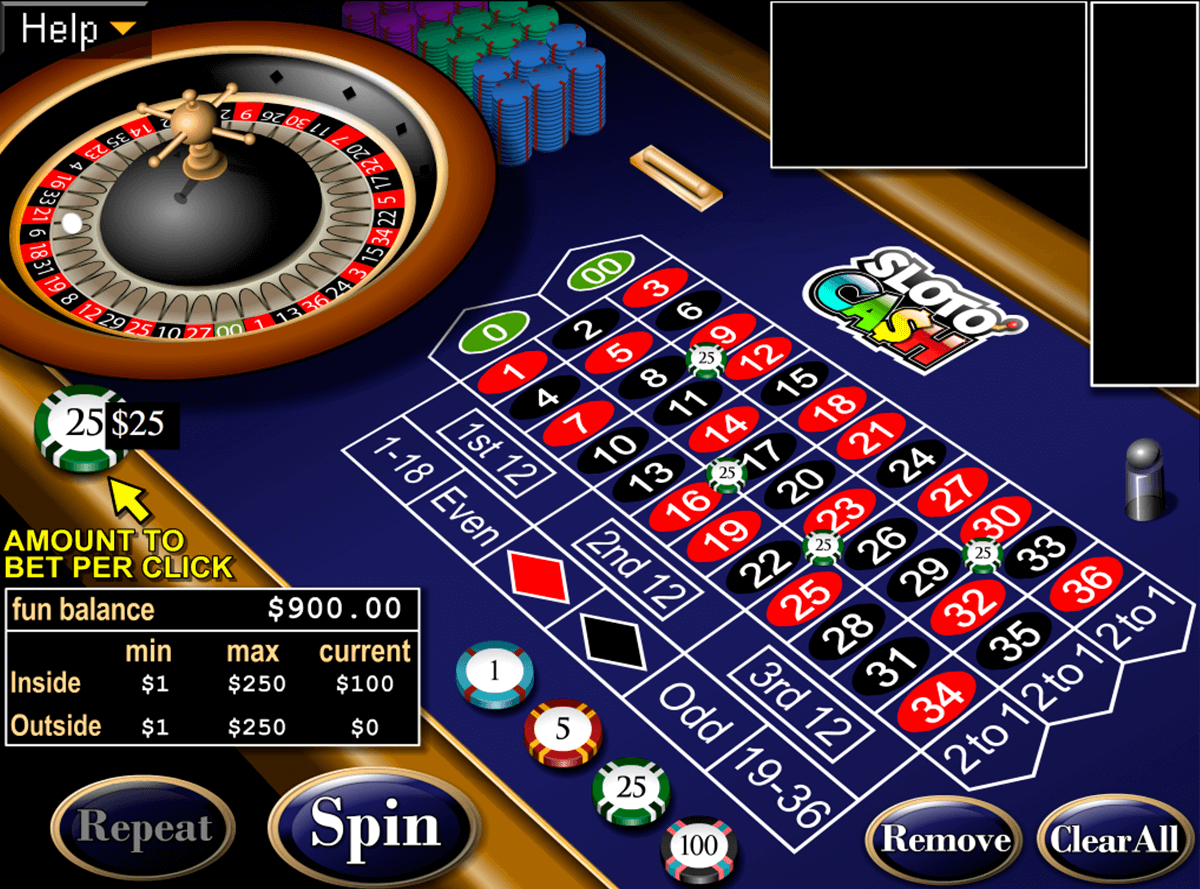
For your first session, start by setting a fixed bankroll and dividing it per game type. On slots, click the coin or bet icon, adjust the line value and denomination, then press spin—your wager is deducted instantly, and wins are credited automatically. For table games like blackjack or roulette, place chips on the designated betting spot before the dealer calls “no more bets”; you can usually adjust chip value via the bottom toolbar. With live dealers, use the betting timer to position chips on the virtual layout, then wait for the dealer to settle outcomes. Always confirm the minimum bet displayed, and start with table minimums to extend your play.
Reading Paytables and Rule Screens Before You Commit Real Money
Before wagering real money, always open the paytable and rule screen—this is your **most critical pre-session habit**. These screens reveal the exact paylines, symbol values, bonus triggers, and the house edge mechanics for that specific game. A slot’s paytable shows wild and scatter functions, while table games list bet limits and side-bet rules. Skipping this step leads to costly misunderstandings, like assuming a progressive jackpot requires maximum coins. Rule screens also clarify autoplay settings, volatility, and maximum win caps. Reading paytables before committing real money prevents accidental rule violations, such as betting outside allowed ranges.
Q: Why must I read paytables before my first real-money spin?
A: Because paytables detail winning combinations, bonus eligibility, and bet requirements—without this, you cannot calculate risk or spot games with unfavorable payout structures.
Practical Strategies to Improve Your Odds Without Overcomplicating Things
You sit at a blackjack table, the felt worn smooth, and the dealer’s eyes meet yours. The simplest edge isn’t card counting—it’s just knowing when to stand on a hard 16 against a dealer’s 10. That single rule, memorized from a basic strategy chart, trims the house edge to under 0.5%. For roulette, skip the inside numbers; bet red or black, and you nearly halve your volatility, though the math stays fixed. On slots, never chase a bonus round—pick a machine with a fixed paytable and bet max lines at minimum coin. Your odds improve most by choosing games with the lowest house advantage and setting a loss limit before you sit down. Q&A: Q—What’s the most overlooked practical move? A—Walking away when you’re up 20%, because the next spin’s math doesn’t care about your win. Keep bets flat, time your session, and remember the house edge is a marathon, not a sprint—so pace yourself like you’d pace a long night.
Basic Blackjack and Baccarat Tactics That Reduce the House Edge
In blackjack, basic strategy reduces the house edge to under 0.5% by dictating when to hit, stand, double, or split based on your hand and the dealer’s upcard. Always stand on hard 17 or higher, and never take insurance. In baccarat, the simplest tactic is betting on the banker, which carries a 1.06% house edge versus 1.24% for the player; avoid the tie bet entirely due to its steep 14.36% edge. For baccarat, follow the shoe’s trend only if you track actual outcomes, but remember past hands don’t alter probabilities—your edge comes solely from banker selection and avoiding side bets.
Bankroll Management Techniques for Longer, More Enjoyable Sessions
Effective bankroll management techniques for longer, more enjoyable sessions start with dividing your total budget into smaller, session-specific units, never chasing losses by increasing stakes. A disciplined approach involves setting a strict loss limit—typically 20–30% of your session bankroll—and walking away when hit, preserving funds for future play. Strategic session-based betting structures keep gameplay sustainable, as flat betting or using fixed percentage wagers prevents rapid depletion. Slowing your bet frequency, such as choosing slower table games or manual spins, stretches your bankroll naturally without altering odds. Allocate your time equally across sessions, rather than exhausting funds early, ensuring your entertainment value matches your spend.
Q: What is the simplest bankroll management technique for longer casino sessions?
A: Divide your total bankroll into five equal parts, use only one per session, and stop if that portion is lost, guaranteeing multiple playable visits.
When to Walk Away: Signals That You’re Overplaying or Chasing Losses

The clearest signal you’re overplaying is when you start raising bets just to “win back” what you lost—that’s the chase, and it rarely ends well. Watch for a sudden urge to speed up rounds or ignore your original session limit; that’s your cue to cash out. Another red flag is when a win feels like “not enough” and you immediately rebet it, especially after a losing streak. If you notice your heart racing or your logic turning into “one more spin, I’m due,” you’ve already crossed into emotional play. A quick physical check helps: if you’re gripping the rail or checking your balance obsessively, walk away for ten minutes—then leave. Chasing losses is a losing strategy, so set a loss cap before you sit down and honor it without negotiation.
Walk away the moment you feel pressured to recover losses or break your own limits—the best signal is that sinking “just one more” feeling.
Answers to Common Questions Every New Player Asks About Casino Games
New players often ask whether casino games are purely luck-based; the answer is that slots rely entirely on chance, while table games like blackjack and poker include a skill component in strategic decisions. Another common question is how payout percentages work—these indicate the theoretical return over many plays, not a guaranteed short-term result. Beginners also wonder about betting limits; always check the table minimums and maximums before joining, as they vary widely. Regarding house edge, every game favors the casino, but choosing variants like European roulette over American reduces that built-in advantage. Finally, players ask if practice modes are useful—yes, free play helps learn rules and test strategies without risking non gamestop casinos real money, though it never replicates the pressure of live wagering.
Are Demo Modes Useful for Learning the Rules Before Betting?
Demo modes are distinctly useful for learning rules before betting because they replicate the exact mechanics, payout structures, and betting interfaces without financial risk. For a new player, risk-free rule comprehension accelerates because you can test edge cases—like split hands in blackjack or side bets in roulette—that you would otherwise avoid with real money. A logical sequence of learning includes first playing a demo to identify the game’s core objective, then testing all available bet sizes to observe paytable reactions, and finally simulating a 30-minute session to gauge volatility and bankroll drain. This practice builds procedural fluency, so when you switch to real stakes, your decisions are based on calculated strategy rather than guesswork.
How Do Bonus Rounds and Free Spins Actually Work in Practice?
In practice, bonus rounds and free spins are triggered by specific symbol combinations, like three or more scatters, which instantly activate a separate game mode. During free spins, your bet is locked, and you accumulate wins without additional wagering, though retrigger mechanics often extend the sequence if special symbols reappear. Bonus rounds, meanwhile, shift the interface to a pick-and-win, wheel, or cascading reel format, where multipliers and wilds are frequently added. Crucially, both features operate on a fixed RTP percentage, meaning the game’s house edge stays identical—your wins simply arrive in a concentrated, high-volatility burst. You don’t control outcomes; you only trigger the opportunity, so strategy focuses on bankroll timing, not skill.
What’s the Difference Between RNG-Based Games and Live Dealer Experiences?
RNG-based games and live dealer experiences differ in how the outcome is determined and how you interact. With RNG (Random Number Generator) games, like slots or digital blackjack, a computer algorithm decides every result instantly—it’s fast, private, and you control the pace. Live dealer games, on the other hand, stream a real human from a studio or casino floor, dealing cards or spinning a wheel in real time. This adds social chatter and a more authentic feel, but rounds take longer because you’re waiting on the dealer and other players. For a quick, solitary session, choose RNG; for a realistic, immersive vibe, pick live. Both can be fair, but your preference depends on whether you value speed or atmosphere more.
| Aspect | RNG-Based | Live Dealer |
|---|---|---|
| Pace | Fast, self-paced | Slower, dealer-led |
| Interaction | None with humans | Chat with dealer/players |
| Game feel | Digital and arcade-like | Real table, physical cards |
| Betting limits | Often lower minimums | Usually higher minimums |
Ultimately, your choice between RNG and live dealer games hinges on your preferred balance of convenience versus social realism—try both to see which fits your mood.





 会员专属
会员专属