

The Best Casino Games for Beginners and How to Win More Often

Surprisingly, the house edge in most casino games is far smaller than players fear, often under five percent. These games—like blackjack, roulette, and slots—operate on clear rules and random outcomes, giving you a fair chance to enjoy each session. By learning basic strategies, you can stretch your playtime and feel more in control, which turns every spin or hand into a genuinely rewarding experience. You simply choose a game, set a comfortable budget, and let the built-in excitement guide your evening.
What Makes a Casino Game Worth Your Time and Money
A casino game earns your time and money when its return-to-player percentage, volatility, and entertainment value align with your personal bankroll and play style. A game with a high RTP and low volatility suits longer, steadier sessions, while high-volatility slots reward patience with rare, massive hits. The real worth emerges from bonus features, free spins, or skill-based elements that extend gameplay and give you agency. Ask yourself: does the game’s house edge feel fair relative to the excitement it delivers? If a session drains your budget without meaningful engagement, it’s not worth it. Conversely, a game that offers strategic decisions, immersive themes, and transparent paytables turns every spin or hand into a calculated risk you actually enjoy. Ultimately, value isn’t just about winning—it’s about how much thrill and control you get per dollar wagered.
Key Features That Separate High-Quality Games from the Rest
High-quality casino games hinge on transparent return-to-player rates and verified volatility, not flashy gimmicks. A superior title offers a tangible skill window—like strategic blackjack side bets or poker odds display—while keeping the house edge clearly visible. Look for adaptive difficulty curves: low-stakes practice modes that morph into high-pressure rounds, ensuring the challenge never plateaus. Real-time feedback, such as animated payout breakdowns or heatmaps of your bet history, separates responsive design from stale software. Avoid games where bonus rounds trigger randomly without player input; premium versions require active choices, like picking multipliers or risk-reward ladders.
**Q: What single feature most reliably signals a high-quality casino game?**
A: The combination of audited RTP percentages and interactive bonus mechanics—where your decision, not pure luck, alters the outcome’s probability curve.
How Return-to-Player Percentages Affect Your Real-World Chances
Return-to-Player (RTP) percentages directly shape your long-term loss rate, since a 96% RTP game statistically returns $96 for every $100 wagered, leaving a 4% house edge. In real-world play, this translates to a predictable bleed: over 1,000 spins at $1 each, you’ll likely forfeit around $40, whereas a 92% RTP slot costs you $80 for the same volume. Higher RTP doesn’t alter short-term variance—a lucky streak can offset any percentage—but it reduces the speed at which your bankroll erodes, giving you more sessions for the same budget. Choosing high-RTP games is your primary lever for extending playtime and lowering expected losses, though it never guarantees wins. Always check the paytable’s RTP before betting.
RTP dictates your average return per dollar wagered, so a higher percentage directly cuts your expected losses and stretches your bankroll further, despite short-term randomness.
How to Pick the Right Casino Game for Your Play Style
Picking the right casino game starts with being honest about your patience and risk tolerance. If you crave fast action and don’t mind quick decisions, slot machines deliver instant thrills with low stakes per spin. For a more strategic pace, table games like blackjack put you in control, as basic decisions influence the house edge. Love social interaction? Sit at a craps table, where the energy is high and bets feel collaborative. Prefer solo thinking? Video poker lets you analyze paytables without pressure. Also, consider your bankroll size; baccarat suits flat betting, while roulette offers a wide range of wager levels. Ultimately, your ideal casino game matches the time you have, the amount you are comfortable losing, and whether you want luck or skill to lead.
Matching Game Volatility to Your Bankroll and Patience Level

Before you commit to any game, measure its volatility against your bankroll’s depth and your personal patience. High-volatility slots drain cash quickly between rare, large wins; if your bankroll is thin, that dry spell will end your session before the jackpot appears. Conversely, low-volatility games like blackjack or multi-line video poker return frequent, smaller payouts, which suits a modest budget but might bore you if you crave big swings. The honest rule is this: match your game’s volatility to your loss tolerance per hour. If you can’t sit through thirty losing spins without anxiety, you lack the patience for high variance. Instead, choose a steady game that keeps you playing longer, because survival often beats spectacle when funds are finite.
Choosing Between Skill-Based and Pure Chance Offerings
When choosing between skill-based and pure chance offerings, assess your tolerance for variable outcomes versus your ability to influence results. Skill-based games like poker or blackjack reward strategic understanding, giving you a measurable edge if you learn optimal play, but they demand mental effort and bankroll discipline. Pure chance games such as slots or roulette offer simplicity and immediacy, but the house edge remains fixed regardless of your actions. Your decision hinges on whether you prefer controlling the pace and betting patterns, or enjoying fast, low-stress sessions. For casual entertainment, chance games fit better, while competitive players should prioritize skill-based table game selection to feel agency over their session results.
Practical Strategies for Getting More Play Out of Every Bet
To stretch your bankroll, always target games with low house edges—blackjack with basic strategy or baccarat’s banker bet give you more spins per dollar than keno or slots. Split your session into smaller, fixed bets instead of one big wager, so a losing streak doesn’t end your night early. On slots, bet the minimum lines but max the paylines; this unlocks bonus rounds without burning through credits fast. For table games, set a win goal (like +20%) and quit once you hit it—banking profits keeps you playing later. Q: What’s the fastest way to lose less? A: Always bet within 1–2% of your total bankroll per round. Finally, use comps and free-play offers to fund extra hands, turning perks into pure game time.
Bankroll Management Techniques That Stretch Your Session
Split your session bankroll into smaller, loss-limited chunks—say, five equal units—and walk away the moment one unit disappears, which keeps you alive for the next round. Bet the same flat amount on every spin or hand instead of chasing losses, because a steady wager stretches your play longer than erratic spikes. Set a win goal like doubling your first unit, then pocket that profit and drop your bet size by half to protect the gains while the game cools off. Flat betting with a hard stop-loss is the core technique that turns a short burst into a longer session, no matter how the cards fall.
Stretch your session by dividing funds into loss-limit chunks, flat betting every round, and locking in wins with reduced bets.
When to Increase Your Wager and When to Walk Away
Increasing your wager should be a calculated response to a confirmed positive expectation window, such as a shuffled shoe with a high true count in blackjack or a chosen table with a statistically favorable payout streak. Raise bets only after a minimum of 15–20 consistent outcomes support your edge, never after sites not on gamstop a loss, to avoid chasing variance. Walk away when the game’s rhythm shifts—dealers change, speed alters, or your bankroll drops below 40% of your starting session stack. A disciplined exit triggers when your win goal hits 1.5× your base unit, guarding against giving back profits in an upturn that naturally regresses. Reassess every hand: if your emotional state is elevated, reduce stakes immediately, as logic departs under pressure.
- Scale wagers by one flat unit only after three consecutive profitable rounds in the same ruleset.
- Exit permanently if you lose five straight bets, regardless of bankroll remaining.
- Increase only when table limits allow doubling without altering your overall session cap.
- Walk away at a predefined time limit (e.g., 45 minutes) if you’re still profitable, locking in gains.
Understanding Bonus Rounds and Special Symbols Without Getting Confused
When the reels stop and a scatter lands, most players freeze—but that’s exactly when the game’s story begins. Think of bonus rounds as a side quest: you don’t need to memorize every rule, just the trigger. In most slots, three scatters open a free-spins chamber where wilds multiply, but a stacked wild during the base game might simply hold a position. The trick is to check the paytable *before* you spin, not during a fever of cascading wins. Q: Why do some symbols vanish after a bonus? A: Because they’re only active during that round—like a guest star who leaves after the episode. Once you accept that special symbols shift roles depending on the phase, confusion turns into anticipation. You’ll stop second-guessing and start reading the screen like a familiar chapter.
How Free Spins, Multipliers, and Wilds Actually Work
Free spins trigger when three or more scatter symbols land, granting a set number of spins at your current bet without extra cost. During these spins, multipliers apply to every win, often doubling or tripling payouts, and they can stack when multiple wild symbols participate in a winning line. Wilds substitute for any standard symbol to complete combinations, but they typically do not replace scatters or bonus icons. Some games feature expanding wilds that cover an entire reel, while sticky wilds remain locked in place for subsequent spins, increasing the chance of consecutive hits. Multipliers may also be tied to specific wild types, such as 2x or 3x values, which compound within a single spin.
Free spins grant extra rounds, wilds substitute to form wins, and multipliers amplify those wins—combined, they create layered payout potential without altering base game rules.
What the Paytable Reveals That Most Players Overlook
Most players skim the paytable for symbol values, but miss the hidden trigger mechanics behind bonus rounds. It reveals whether scatters must appear on consecutive reels, in specific positions, or only during base spins—details that change your betting strategy entirely. It also exposes how wild multipliers stack during free spins, or whether extra symbols get added mid-round, altering volatility. The paytable quietly defines retrigger limits and whether the bonus pool resets, so you know if chasing another round is mathematically viable. Ignoring these fine-print quirks turns every bonus into a blind gamble. Read it as a rulebook, not a price list.
- Scatter placement requirements (adjacent reels vs. anywhere) shift real odds.
- Wild value escalation during free spins is often buried in footnotes.
- Retrigger caps and payout floors are stated, not implied—check them first.
Common Mistakes New Players Make With Casino Games and How to Avoid Them
New players often chase losses after a bad blackjack hand, doubling bets in frustration—this bleeds bankrolls dry before the dealer even rotates. Others skip learning basic poker hand rankings, then sit at a Texas Hold’em table and bluff into a full house, losing stacks they thought were safe. A common slot mistake is cranking max lines on a low-balance session, hoping for a jackpot that mathematically isn’t coming, while roulette beginners bet on single numbers because they *feel* due, ignoring that every spin is independent. To avoid this, set a loss limit before you sit down, always play free demo modes first to learn paytables and rules, and stick to even-money bets early until you understand variance. Q: Why do beginners lose fastest on craps? A: Because they bet on proposition numbers with house edges above 10% instead of pass-line odds. The real shift happens when you treat each session as a learning curve, not a recovery mission—that mindset alone stops the most destructive habits.
Why Chasing Losses Ruins Your Odds Faster Than Anything Else

Chasing losses is the fastest way to demolish your bankroll because it flips the math against you instantly. After a losing spin, your judgment is clouded by adrenaline, pushing you to increase bets to “win it back” — but this directly shrinks your remaining opportunities to hit a variance swing. Each escalated wager requires a higher win percentage just to break even, a threshold the house edge makes nearly impossible to sustain. You are no longer playing a calculated game; you are gambling on desperation. Chasing losses accelerates bankroll depletion by converting small, manageable setbacks into catastrophic ones, leaving you broke before luck can turn.
- Doubling bets after losses forces you to risk larger sums for the same potential return, worsening your odds per spin.
- Emotional decisions after a loss lead to playing games or bets you don’t understand, adding an avoidable skill gap.
- Each failed recovery attempt drains funds that could have funded future, smarter sessions with better win conditions.
- It shifts your focus from long-term strategy to short-term panic, ensuring you quit only when your bankroll hits zero.

How to Spot a Game That’s Rigged Against You vs. One That’s Fair
A rigged game often feigns near-misses with hypnotic frequency, while a fair one lets wins and losses fall in organic, chaotic clusters. First, check the payout table—if a supposedly 96% RTP slot suddenly eats your balance in fifteen spins, that’s a red flag. Second, watch for impossible patterns: a blackjack dealer pulling 21 four hands running isn’t luck; it’s math being bent. Spotting a rigged game versus a fair one hinges on observable variance, not gut feeling. A fair game tolerates long losing streaks but also pays out in unpredictable bursts. Rigged software, however, often caps your peak winnings just below your initial stake, keeping you chained. Finally, trust your session: if every bonus round requires a max bet to trigger anything, walk away.
- Compare your session results against the stated RTP over 100+ spins.
- Track dealer or RNG outcomes—are extreme sequences happening too regularly?
- Test the game in free play first; a fair version should feel statistically identical.
- Abandon any game where your win ceiling consistently sits just below your total deposits.
Quick Answers to the Most Asked Questions About Playing Casino Games
Quick answers to the most asked questions about playing casino games hinge on knowing house edge, not superstition. Beginners repeatedly ask which game offers the best odds, and the immediate answer is **blackjack** when basic strategy is followed, cutting the edge near 0.5%. Another frequent query concerns slot volatility: high-volatility slots pay rarely but larger, while low-volatility games return smaller wins often—choose based on your bankroll’s tolerance for dry spells. Players also ask whether progressives are worth it, and the blunt answer is yes only if you accept the inflated house edge for a jackpot shot.
Never chase losses by raising bets; the table limit and your budget, not your ego, dictate session length.
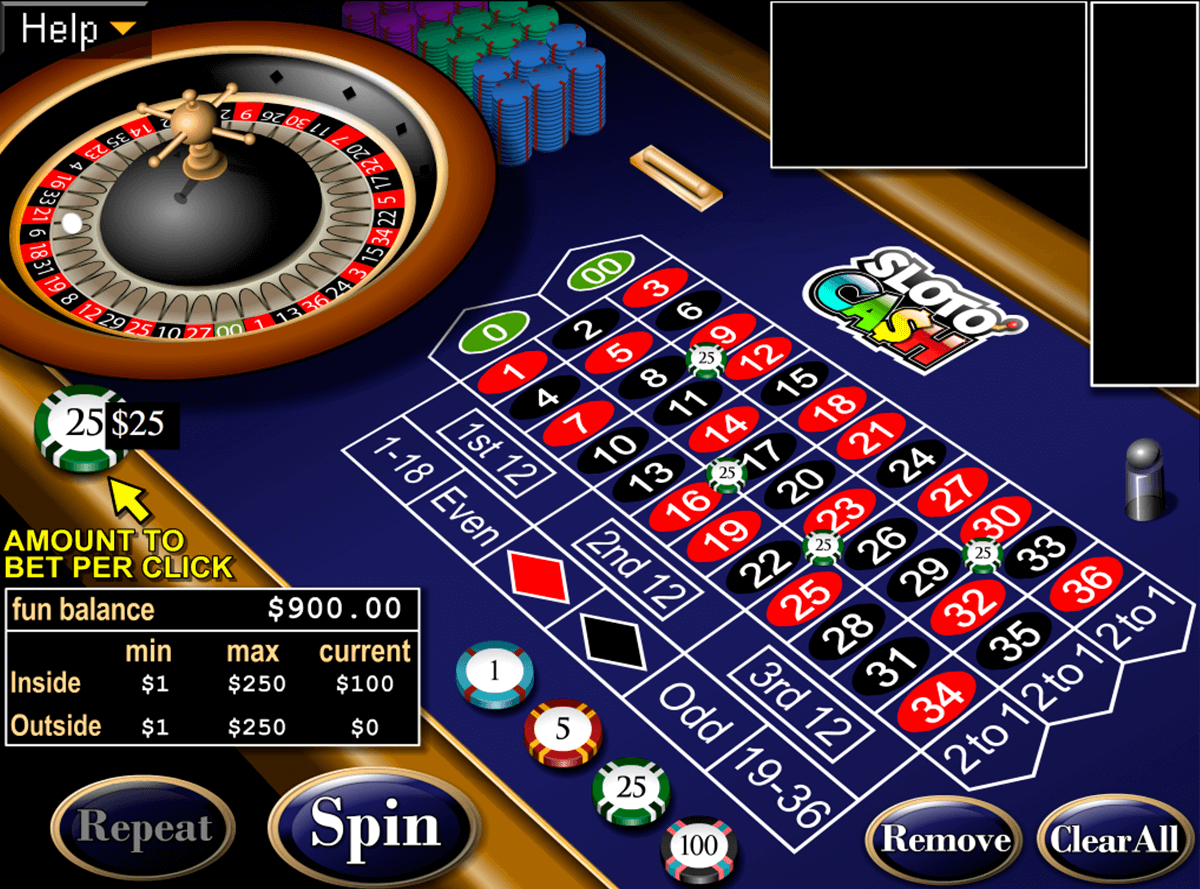
For dice, always bet pass line with odds, as that’s the cheapest wager in craps. Finally, roulette’s red/black is a trap—double-zero wheels give you a 5.26% edge against you, so seek single-zero variants if available.
Can You Really Predict When a Machine Will Hit a Jackpot?
No, you cannot predict when a machine will hit a jackpot—modern slots run on a Random Number Generator (RNG) that cycles thousands of numbers per second, making each spin an independent event. There is no “due” payout, no pattern in the symbols, and no timing trick that alters the outcome. Jackpot timing is pure chance, not a hidden code you can crack. What you *can* control is your approach:
- Check the paytable to understand jackpot triggers (e.g., scatter combinations).
- Set a session budget so you don’t chase a “hot” machine.
- Play within your bankroll, knowing that volatility—not prediction—dictates how often jackpots hit.
The only honest forecast: the longer you spin, the more you risk, not the closer you get to a win.
What’s the Best Bet in the Entire Casino for Your Chances?
The best bet in the entire casino for your chances is the **banker bet in baccarat**, carrying a house edge of just 1.06%. This surpasses even the pass line with odds in craps (0.85% combined, but requiring a second wager). In blackjack, perfect basic strategy yields a similar 0.5% edge, yet human error and rule variations make baccarat’s banker bet more mechanically reliable—you simply place it and let the game resolve. No other single wager offers such a low, fixed disadvantage without requiring skill or side bets that quietly erode your return. For a purely passive choice, banker wins consistently on probability.
What’s the best bet in the entire casino for your chances? It is the baccarat banker wager, because its 1.06% house edge is the lowest static bet available, assuming you avoid the 5% commission paid on wins—which is still factored into that edge, making it unbeaten by any other standalone option.





 会员专属
会员专属