

Play for Real Money at These Top-Rated Online Casinos

A real money casino is an online platform where you wager actual cash on games like slots, blackjack, or roulette, with the chance to win real payouts that land directly in your bank account. The core thrill comes from placing genuine stakes, which makes every spin or hand feel electric because your skill and luck directly shape your balance. To use it, you simply deposit funds, pick a game, and play—with the immediate benefit of turning entertainment into tangible rewards that you can withdraw anytime you hit a win.
Top-Tier Gaming Venues: Where to Play for Actual Payouts
You scan the lobby of a top-tier venue, and the first thing you notice is how the cashiers’ windows are never empty—that’s your signal. For actual payouts, seek out casinos that publish their real-time payout percentages on the floor, not just in fine print. I’ve watched a regular walk away with a four-figure win from a high-limit slot because he checked the machine’s “return to player” tag before sitting down, a habit you should copy. Live dealer tables with visible card shufflers and certified random number generators on digital games are your anchors for trust. However, even the best venue can’t guarantee a win—only that the odds are honestly presented to you. Always cash out small wins immediately at the cage to lock in your profit, keeping your bankroll separate from your play funds.
Licensed Platforms vs. Rogue Operators: How to Verify Legitimacy Quickly
Before you deposit a cent, check for a visible license footer and tap the regulator’s logo to confirm it links to a real verification page. Licensed platforms display clear terms, while rogue operators bury payout rules in vague text. A quick domain-age lookup and a scan for user complaints about delayed withdrawals usually exposes the fakes. Verifying a casino’s license number directly on the official registry takes under two minutes and is your best shield. If a site’s support dodges your question about their license, that evasiveness is your answer. Stick to names you can trace, not flashy bonuses.
- Cross-check the license number on the regulator’s own search tool.
- Look for a physical address and live chat response before depositing.
- Search “casino name + withdrawal problem” to spot rogue patterns.
- Trustonly HTTPS sites with a padlock icon during payment steps.
Comparing Welcome Bonuses, Free Spins, and Loyalty Rewards at Leading Sites
When comparing welcome bonuses, free spins, and loyalty rewards at leading sites, prioritize the wagering requirements attached to each offer, not just the headline amount. A 200% match with a 40x playthrough is often less valuable than a 100% bonus with a 20x requirement. For free spins, check if winnings cap at a fixed sum or if they convert to withdrawable cash. Loyalty programs reward consistent play, so evaluate whether points expire monthly or if cashback applies to net losses. The strongest strategy is to stack a low-wager welcome bonus with reload free spins and a tiered cashback system. Actual payout potential hinges on comparing effective bonus value—divide bonus cash by playthrough to see your real edge. Avoid sites where reward redemption requires excessive turnover.
Mobile-Optimized Hubs for On-the-Go Play Without Download Delays
For real money play, the best mobile-optimized hubs strip away every barrier between you and a spin, loading games instantly in your browser without forcing an app installation. These platforms use lightweight HTML5 builds, meaning you bypass storage limits and update queues entirely, jumping straight into blackjack or slots the second your connection stabilizes. A truly optimized hub prioritizes one-tap banking and responsive touch controls, so your payout speed matches your play speed, even on a patchy commute. If a site makes you wait for a download, your cash is already losing momentum. Instant-play mobile casinos put the action where you are, not where your storage allows.
Choose hubs that load in seconds and pay out just as fast—no downloads, no delays, only real-money action on demand.
Payment Methods That Actually Work: Deposits and Withdrawals
For real money casino play, e-wallets like Skrill and Neteller remain the fastest path to instant deposits and same-day withdrawals, often processing payouts within hours. Credit and debit cards are universally accepted for deposits, but withdrawals can take 3–5 business days due to banking delays. For the highest reliability, cryptocurrency payments—especially Bitcoin—bypass bank interference entirely, offering near-instant transactions with minimal fees. Always verify the casino’s pending time; withdrawal speed is the true test of a payment method’s worth. Avoid methods with high conversion fees and choose options that mirror your deposit method for seamless reversals. Bank transfers work for large sums but sacrifice speed. Stick to e-wallets or crypto to keep your winnings liquid and your access uninterrupted.
E-Wallets, Cryptocurrency, and Bank Transfers: Speed and Fee Breakdown
E-wallets like Skrill and Neteller offer near-instant deposits and withdrawals, typically settling within 24 hours, with fees ranging from 1% to 3% on transactions, though some casinos absorb deposit costs. Cryptocurrency, particularly Bitcoin and Ethereum, processes transfers in 10–30 minutes on-chain, with network fees varying wildly by congestion—often under $1 for Litecoin but $5–$20 for Ethereum during peaks. Bank transfers remain the slowest, taking 2–5 business days for both directions, and frequently incur flat fees of $10–$30, especially for international wires. For speed, e-wallets and crypto dominate, but crypto’s variable miner fees can unexpectedly erode winnings, while bank transfers suit high-roller sums where fixed fees are negligible. Withdrawal speed also hinges on casino’s pending period, which e-wallets bypass faster than banks.
Understanding Wagering Requirements Before Cashing Out Your Winnings
Before any withdrawal reaches your hands, the casino’s wagering requirements dictate how many times your bonus funds must be cycled through eligible games. A 30x playthrough on a $100 bonus means $3,000 in total bets before cash-out becomes possible. Always check whether your chosen slot contributes 100% toward this requirement, while table games often count as little as 10%, silently stretching your path to withdrawal. Additionally, verify the maximum cash-out cap—some offers limit winning payouts to ten times the bonus amount. Calculating these figures upfront prevents the frustration of a locked balance, ensuring you only pursue bonuses whose terms you can realistically fulfill.
Currency Conversion Tactics to Minimize Hidden Transaction Costs
When funding your account, always choose to be billed in your casino’s base currency, not your home currency, to dodge the casino’s inflated dynamic conversion rate. Instead, use a zero-foreign-transaction-fee e-wallet like Skrill or PayPal, which processes at the interbank mid-market rate. For direct card deposits, switch to a multi-currency card and pre-load funds in the casino’s currency – this locks the rate before you play. On withdrawals, convert only when the exchange rate dips in your favor, and withdraw in the casino’s currency to a local account, then convert via your bank’s limit-order tool. Two-step conversion (casino → USD → local) rarely beats a single, direct pair trade.
| Tactic | Hidden Cost Risk | Best Use Case |
|---|---|---|
| Pay in casino currency (DCC off) | Low – avoids 3–5% markup | Every deposit, especially small amounts |
| Multi-currency e-wallet | Minimal – only spread on transfer | Regular players using multiple casinos |
| Limit-order FX conversion | Zero – but requires waiting | Large withdrawals, no urgency |
Game Selection Mastery: Slots, Table Games, and Live Dealers
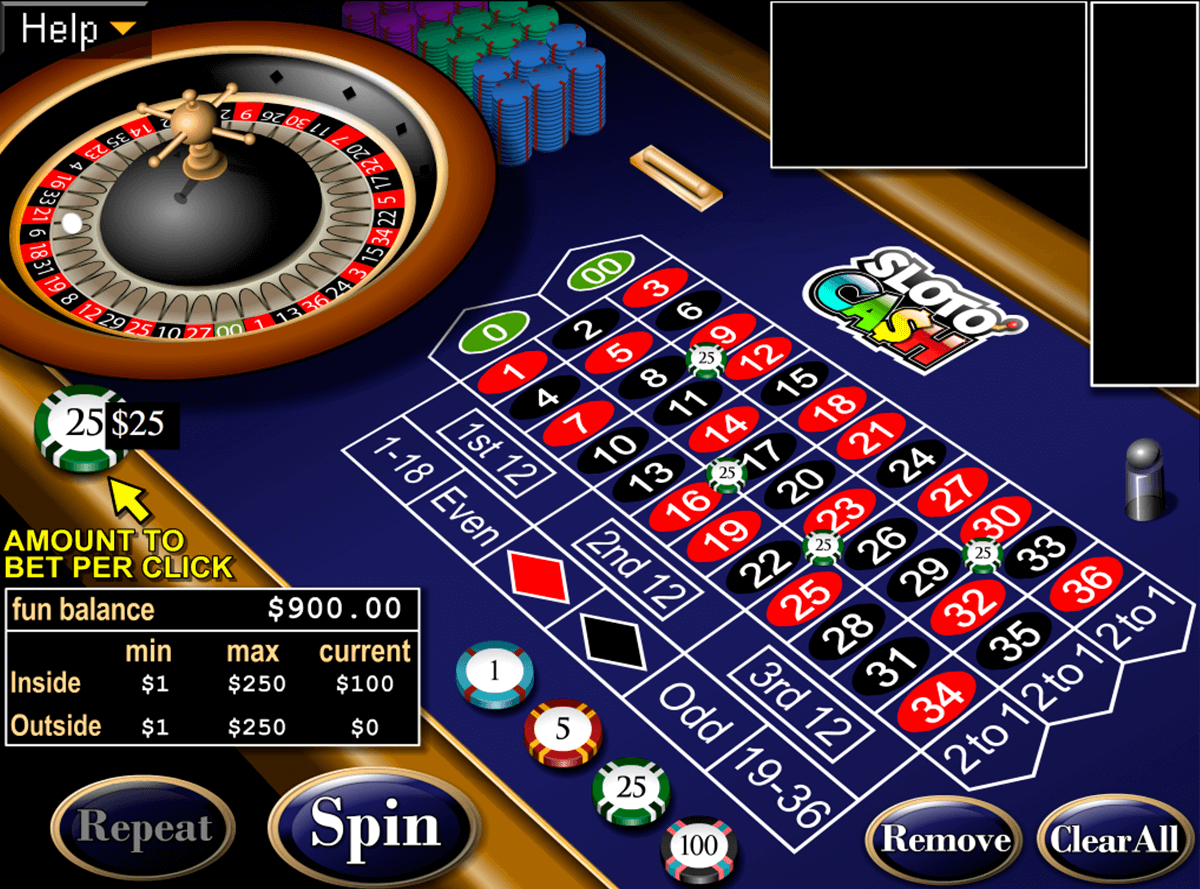
Mastering game selection at a real money casino begins with understanding volatility, not just themes. In slots, high-volatility titles suit bankrolls prepared for dry spells, while low-volatility options deliver steadier, smaller wins; always check the RTP percentage before spinning. For table games, prioritize rules variations—European roulette’s single zero beats American, and blackjack’s surrender option reduces the house edge meaningfully, provided you learn basic strategy. Live dealer games shift the dynamic: slower pace and higher minimums, but they reward patience with transparency and the ability to read a real shoe or wheel. Your skill in live blackjack matters only if you track cards mentally, not if you rely on streaks. Match each session’s budget to the game’s speed—slots burn cash fast, live tables stretch it, and fixed-odds bets on craps offer the most controlled risk.
High-RTP Slot Titles That Consistently Pay Back More
Hunting for **high-RTP slot titles that consistently pay back more** transforms your real money sessions from blind luck into strategic play. Titles like *Blood Suckers* (98%) or *Starmania* (97.87%) return a larger theoretical slice of every wager over time, making them the backbone of a smart bankroll. Prioritize these over volatile, low-percentage games when chasing sustained balance growth. Check the game’s info screen before spinning—anything above 96% is your baseline for profitable grinding.
Q: Do high-RTP slots guarantee a win? No, they simply reduce the house edge across thousands of spins, so your real money lasts longer and hit frequency often feels steadier, especially with lower variance.
Blackjack, Roulette, and Baccarat Strategies for Reduced House Edge

In real money casinos, Blackjack, Roulette, and Baccarat strategies for reduced house edge hinge on rules and bet selection rather than card counting systems. For blackjack, always seek single-deck games paying 3:2, and use basic strategy to cut the edge to under 0.5%; never split tens or take insurance. In roulette, European or French variants with *en prison* or *la partage* rules halve the house advantage to 1.35% on even-money bets, while American double-zero wheels should be avoided entirely. Baccarat demands backing the banker bet exclusively, as its 1.06% edge outperforms player (1.24%) and tie (14.4%). *The correct game variant alone outweighs any betting progression system.* Master these three targeted approaches to maximize session longevity.
Immersive Live Dealer Experiences: Real-Time Thrills with Real Stakes
Forget static screens—immersive live dealer experiences yank you into the action with real croupiers, real cards, and a heartbeat that matches yours. Unlike RNG spins, every shuffle and wheel drop happens in real time, so you’re betting against the human factor, not an algorithm. The stakes feel tangible because they are: you watch your chips land, wait for the dealer’s reveal, and bank or bust instantly. To maximize these real-time thrills, follow a sharp routine: first, scan the camera angles to confirm clean table visibility; second, check the betting clock to align your decision speed with the dealer’s pace; third, use live chat to read table dynamics before committing heavier stakes. The rush isn’t simulated—it’s your call, their deal, and money moving on pure moment.
Responsible Gambling Guardrails for Long-Term Play
For long-term play at a real money casino, treat your bankroll as a finite resource allocated per session, never per month. Set a hard loss limit before you log in, and step away the moment it’s hit—not after “one more spin.” Time-based guardrails are equally critical: schedule a maximum session length and use the casino’s built-in reality check reminders, which interrupt autopilot behavior. Re-evaluate your stake size after every winning streak, as increased bets often precede the most damaging reversals. Withdraw a fixed percentage of any net profit weekly to separate play funds from accessible cash. The discipline of treating a loss as a sunk cost, rather than a debt to recover, is what separates sustainable entertainment from a spiral. Never chase losses with higher stakes; instead, end the session and revisit your limits only when you’re emotionally neutral.
Setting Deposit Limits and Self-Exclusion Tools Without Losing Access
Setting deposit limits and self-exclusion tools without losing access requires distinguishing between temporary cooling-off periods and permanent account closure. Most real money casinos allow you to adjust daily, weekly, or monthly deposit caps directly in the cashier or responsible gambling section, with changes taking effect immediately for reductions—but increases typically wait 24 hours to discourage impulse decisions. For self-exclusion, choose a short-term break (e.g., 72 hours) over full exclusion if you want to retain login access for non-gambling features like viewing transaction history. You can also restrict only deposits while keeping withdrawals and account management active. **Responsible gambling guardrails for long-term play** work best when you set limits before a session, not during one. Q: Can I self-exclude from deposits but still play free games? A: Yes—some casinos let you block real-money deposits while allowing demo or social modes, preserving entertainment without financial risk.
Spotting Problem Gambling Signs Early: Practical Self-Check Metrics
To spot problem gambling early, track three concrete metrics during real-money sessions: **time ratio, loss ceiling, and emotional drift**. Time ratio compares your planned session length against actual time spent—if you consistently exceed your timer by 30% or more, that’s a warning signal. Loss ceiling means setting a hard monetary stop before you start, then logging whether you honor it; violating it twice in a row indicates escalating risk. Emotional drift is a self-check on mood shifts—note if you feel irritable, rushed, or “chasing” after a loss. For practical use, record these metrics weekly on a simple spreadsheet. If any metric fails two consecutive weeks, impose a 72-hour cool-off period.

Q: What is the single fastest self-check metric for spotting problem gambling signs early?
A: The loss-ceiling violation rate—if you exceed your preset loss limit in more than 20% of sessions, that’s the earliest, most objective red flag for intervention.
Utilizing Cooling-Off Periods to Rebalance Your Budget and Focus
Utilizing cooling-off periods to rebalance your budget and focus begins with setting a concrete time boundary, such as 24 hours or a week, away from your real money casino account. During this pause, you can review your recent deposit history and identify spending patterns that felt reactive rather than deliberate. This break interrupts the momentum of chasing losses, allowing your financial plan to reset before you place another wager. When you return, you can assign a fresh loss limit based on what you actually have available, not on what you hope to recover. The enforced absence also sharpens your attention, reducing impulsive bets and steering your next session toward intentional bankroll management rather than habit-driven play.
Smart Strategies to Boost Your Odds of Winning
To genuinely boost your odds of winning at a real money casino, prioritize games with low house edges like blackjack or baccarat, and master basic strategy until it’s reflexive. Bankroll management is your lifeline—set strict session limits and divide your funds into smaller units to survive variance. Take full advantage of bonuses and loyalty rewards, but always read the wagering requirements to ensure they’re actually beatable. Avoid chasing losses by increasing bets; instead, walk away when you’re ahead. Finally, practice free versions of games to refine timing and decision-making, ensuring every real money wager is placed with maximum precision and minimal emotional bias.

Bankroll Management Frameworks: Flat Betting vs. Percentage Staking
In real money casino play, flat betting assigns a fixed, unchanging wager regardless of your bankroll size, offering predictable risk and limiting volatility during losing streaks. Percentage staking, conversely, ties each bet to a set proportion of your current funds—e.g., 2%—so wagers shrink after losses and grow after wins, mathematically preventing bust. Flat betting suits casual sessions or games with high variance, where emotional discipline matters more than compounding. Percentage staking optimizes long-term growth but requires precise calculation at the table or slot, favoring structured players. Choose flat for simplicity and guaranteed session length; choose percentage for adaptive survival and incremental gains.

Flat betting stabilizes risk per wager, while percentage staking scales bets to your current bankroll—the latter protects against ruin and capitalizes on streaks, making it superior for prolonged sessions.
Exploiting Progressive Jackpots and Tournament Leaderboards Effectively
To exploit progressive jackpots effectively, always verify the current prize size against the game’s base volatility and your bankroll; only play when the jackpot exceeds a threshold that mathematically offsets the higher house edge—typically 1.5 to 2 times the average payout. For tournament leaderboards, treat them as separate bankroll events: target low-entry, high-rebuy leaderboards where scoring favors aggressive early betting, then switch to defensive play once you hold a top-10 position. Late registration often lets you observe leaderboard trends and cherry-pick tables with weaker competitors, maximizing your points-per-dollar spent. Track your session time versus leaderboard decay, as many platforms reset standings hourly, so concentrate your play in the final 30 minutes of a scoring window. Strategic jackpot timing and leaderboard sprinting convert volatile games into calculable advantage plays.
Effective exploitation requires jackpot thresholds, leaderboard timing, and bankroll segmentation—not chasing every prize or playing full tournament duration.
Variance Math: When to Switch Games Based on Volatility Levels
Variance math dictates when to switch games based on volatility levels, directly impacting your bankroll’s lifespan. Low-volatility slots pay smaller, frequent wins, ideal for extending play when your bankroll is thin, while high-volatility games offer rare but large payouts, suitable only when you can absorb long dry spells. If you hit a 10x losing streak on a high-volatility slot, the probability of recouping within your session drops sharply—switch to a low-volatility game to stabilize. Conversely, after a substantial win on a low-volatility title, moving to a high-volatility game leverages your profit buffer for a possible jackpot. *The optimal switch point occurs when your remaining bankroll falls below ten times the average bet of your current game’s volatility class.*
- Track your loss rate: if you lose 30% of your session bankroll in under 15 minutes on high-volatility, drop to medium or low.
- Switch to high-volatility only after your bankroll exceeds 50 total average bets, ensuring you can survive variance swings.
- Use a volatility calculator to compare RTP variance—not just hit frequency—before changing games.
Legal and Regulatory Landscape Across Jurisdictions
The legal status of real-money casino play hinges entirely on your physical location at the moment of wagering, not your account’s registered address. Before depositing, verify that the specific casino holds a license recognized by your local regulator (e.g., UKGC, MGA, or state-level bodies) and that cross-border play is not prohibited. Some jurisdictions block offshore sites via IP and payment bans, while others leave enforcement to the operator. Always check local law first, as a technically accessible casino may still leave you without recourse for disputes or unpaid winnings. Q: If I travel abroad, can I use my home casino account? A: Usually no—your session is governed by the country you are physically in, and most licenses restrict play to permitted territories. Ignoring this can void wins and expose you to unlicensed gambling penalties.
State-by-State Compliance: Which Regions Allow Online Wagering Fully
For players seeking real money casino action, state-by-state compliance for online wagering remains a patchwork: only six states—New Jersey, Pennsylvania, Michigan, West Virginia, Delaware, and Connecticut—currently permit full, unrestricted online casino play, meaning slot and table games are available without land-based prerequisites. Nevada and New Mexico offer only online poker, not full casino wagering, while states like New York and Illinois restrict online betting to sportsbooks. *Even within permissive states, geolocation enforcement means you must physically be inside state borders to place a real-money wager.* Before depositing, verify your state’s status, as cross-border play is blocked and accounts are tied to your registered residence.
- New Jersey and Pennsylvania lead with the most diverse real money casino game libraries.
- Michigan and Connecticut allow full play but require in-state verification via IP and GPS.
- West Virginia and Delaware permit online wagering but have fewer licensed operators.
- No state yet allows interstate player pools for casino games, unlike poker.
Age Verification Processes and Documentation Required for New Accounts
For real money casino account creation, age verification documentation typically requires a government-issued photo ID—passport, driver’s license, or national ID card—plus a proof of address dated within the last three months, such as a utility bill or bank statement. Many operators also request a selfie holding the ID for facial-matching checks. Some jurisdictions mandate a secondary document, like a social security number or tax ID, while others accept e-wallet verification history. The process is usually completed within 24–72 hours, though live video calls may be triggered for high-risk profiles. All documents must be clear, unexpired, and match the registered name exactly, or the account remains restricted.
Dispute Resolution Channels: Escalating Issues with Gaming Authorities
When a real money casino stalls your payout, the escalation path begins with their internal support ticket, but the real leverage appears once you formally request a review by the licensing authority. For Curacao, Malta, or UKGC-licensed sites, you must first exhaust the casino’s own dispute window (usually 30 days) before lodging a complaint with the regulator’s online portal. Escalating issues with gaming authorities requires meticulous evidence: screenshots of chat logs, transaction IDs, and the exact bonus terms cited in the denial. Most players fail because they submit vague narratives instead of a chronological breach-of-contract timeline. Expect response times of 2–8 weeks, during which the authority contacts the operator for a formal position paper. If the regulator finds fault, they can pressure the casino via fines or license suspension, but their jurisdiction rarely covers direct compensation orders—negotiation still happens with the casino, now under official scrutiny. Keep your complaint factual, reframe emotional demands as contractual clauses, and always request a case reference number for follow-ups.
Dispute resolution with gaming authorities demands documented timelines and regulatory portal submissions—your only real power is forcing licensed operators to answer official inquiries about withheld funds.
Tech Security Essentials for Safe Transactions
For real money casino play, your transaction security hinges on verified encryption and active authentication. Always confirm the site uses TLS 1.2 or higher—visible as a padlock in your browser—before entering card details, as this scrambles data between your device and the casino server. Enable two-factor authentication (2FA) on your casino account and e-wallet, turning every withdrawal into a two-step verification that blocks unauthorized access even if your password leaks. Use a dedicated virtual card or prepaid voucher with a low balance for deposits, isolating your main bank account from any potential breach. Q: Should I save my card details on the casino’s site? No—always opt for guest checkout or remove saved cards after each session, because server-side tokenization still leaves a digital footprint that hackers can target. Finally, inspect your transaction history weekly for odd micro-charges, as these signal skimming attempts. These essentials make every real-money transfer a locked vault, not a gamble.
SSL Encryption, 2FA, and RNG Certification Checks to Prioritize
Before depositing at a real money casino, prioritize verifying SSL encryption, 2FA, and RNG certification checks because they form a three-layer defense against financial and data compromise. First, confirm the site uses 256-bit SSL encryption by checking for a padlock icon and an “https://” prefix, ensuring all login credentials and transaction details are unreadable to interceptors. Next, enable two-factor authentication (2FA) for every withdrawal and deposit action; this blocks unauthorized account access even if your password is stolen. Finally, scrutinize the random number generator (RNG) certificate—look for independent audits from eCOGRA or iTech Labs, and verify the certificate’s validity period and seal directly on the auditor’s site. Skipping any one of these checks leaves a critical gap in your transaction security.
Prioritize SSL encryption to secure data transit, 2FA to gate account access, and RNG certification to ensure game fairness—each must be verified independently before any real money transfer.
VPN Use Risks and Benefits When Accessing Geo-Restricted Portals
Using a VPN to slip past geo-blocks and spin at your favorite real money casino from abroad can feel like a cheat code, but it cuts both www.gambleonline.co.nz/payment-methods/bitcoin/ ways. The big win is privacy—your ISP and nosy networks can’t see your betting traffic, and you dodge regional bans that lock you out of your account. That said, the risk is real: many casinos actively detect VPN IPs and freeze withdrawals or void bonuses if they catch you, so you could win and still lose your cash. Plus, spotty connections cause lag during live deals, and your chosen VPN might leak DNS, exposing your true location anyway. Stick with a reputable, no-log VPN and test it before depositing, but never expect the casino to approve. VPN use for geo-restricted casino portals is a high-reward gamble that demands caution.
Weigh anonymity and access against account bans and frozen payouts—your VPN shield is only as safe as the casino’s tolerance.
Data Privacy Policies: What Your Provider Actually Does with Your Info
When you play at a real money casino, the provider’s data privacy policy dictates exactly how your financial fingerprints, device identifiers, and betting patterns are collected, stored, and shared—not just how they’re protected. A transparent policy will state whether your information is sold to advertisers, used to build behavioral profiles for targeted bonuses, or shared with payment processors for fraud scoring. Before depositing, demand specifics: do they retain your transaction history after account closure, and can you request permanent deletion? Your data privacy policy review determines your real-money exposure beyond the games. Q: What does my casino actually do with my deposit and withdrawal data? A: It logs every transaction for anti-fraud obligations, but legitimate providers never sell banking details—they use them only to verify your identity and process payouts securely.
Customer Support Quality: Red Flags and Gold Standards
When you’re playing at a real money casino, the support team is your lifeline, and spotting the difference between red flags and gold standards can save your bankroll. A major red flag is a live chat that’s “unavailable” during posted hours or agents who give copy-paste answers that ignore your actual deposit or withdrawal issue. If they take over 24 hours to reply to a urgent email about a failed payout, walk away. On the flip side, gold standards include 24/7 multi-channel support (live chat, phone, email) with response times under two minutes for chat. A top-tier casino’s agent will proactively verify your identity, explain bonus terms with specific numbers, and follow up via email to confirm the resolution. Ultimately, responsive and knowledgeable support is the hallmark of a trustworthy operator, while slow and scripted responses are a glaring warning sign you’re risking real cash with the wrong site.
24/7 Live Chat Response Times vs. Email Ticketing for Urgent Withdrawals
For urgent withdrawals, 24/7 live chat response times are the gold standard, typically resolving payout holds in under two minutes, whereas email ticketing can delay access to your funds for 12–48 hours due to queue backlogs. A live agent can instantly verify documents, push the cashier request, or escalate a stuck transaction while you watch, eliminating the anxiety of awaiting a generic auto-reply. If a casino’s chat menu routes you to a bot that only emails a ticket number, treat that as a red flag for withdrawal friction. Conversely, email is acceptable only for non-monetary queries; never rely on it when your balance is pending.
Live chat resolves urgent withdrawals in real time; email ticketing risks multi-day delays, making chat the sole reliable channel for cash-outs.
Assessing FAQ Depth and Self-Help Guides Before Registering
Before depositing real money, evaluate whether the casino’s FAQ resolves payment disputes, verification failures, and withdrawal delays without forcing a support ticket. Assessing FAQ depth before registration means checking if answers include specific timeframes, document examples, and step-by-step troubleshooting, not vague “contact us” replies. A gold standard self-help guide covers bonus wagering calculations, geo-block errors, and responsible gambling tools with screenshots. Red flags include FAQs that dodge chargeback policies or use circular links to the same generic page. Test a few queries mentally—if you cannot find a concrete solution for a typical issue like expired free spins, assume live chat will be equally shallow.
- Confirm the FAQ lists exact withdrawal processing hours per payment method.
- Look for guides that explain how to resolve failed KYC checks with sample document types.
- Verify that self-help articles include updated screenshots matching the current cashier layout.
Multi-Language Support and Localized Assistance for Non-Native Speakers
A gold-standard real money casino recognizes that a lagging translation or robotic chat script can destroy trust faster than a failed withdrawal. Look for live agents who respond in your native tongue, not just pre-written FAQ pages, and verify that payment queries and bonus terms are fully localized, not half-translated. Localized assistance for non-native speakers means phone or callback support in your language, plus culturally aware problem-solving when a phrase’s nuance matters during a dispute. A red flag is when “support” forces you to switch to English mid-conversation, leaving your complaint lost in broken syntax. The best platforms test their multilingual team with real-money scenarios, ensuring your clarity, not their convenience, drives every reply.
Exclusive VIP Programs for High-Stakes Players
For high-stakes players at a real money casino, exclusive VIP programs unlock a tiered ecosystem of perks that directly enhance wagering power and convenience. These programs typically assign a dedicated account manager who negotiates personalized deposit limits, expedited withdrawals (often within hours), and custom cashback calculations based on your monthly loss volume, not standard percentages. You gain access to high-limit tables with elevated betting ceilings and private tournament invitations where entry fees align with your bankroll. The most practical benefit is the risk-free play or bonus rebates structured as loss insurance, which reduces the effective house edge on your heavy sessions.
Before committing funds, always verify that the VIP cashback is paid in real withdrawable cash, not tied to massive rollover requirements.
Additionally, your manager can grant bespoke comps like event tickets or travel, but the true value lies in negotiating reduced wagering contributions on your preferred slots and table games.
Cashback Offers, Personal Account Managers, and Invite-Only Tournaments
For high-stakes players, exclusive VIP perks for high rollers usually start with weekly cashback that softens bad beats—sometimes up to 25% of losses, credited instantly. Your personal account manager isn’t just a support line; they handle same-day withdrawals, set custom betting limits, and even gift you free chips for birthdays. Invite-only tournaments are where the real action lives: private leaderboards with six-figure prize pools, no satellites, and final tables that fit in a single suite. You get a direct WhatsApp number, not a ticket system, and every promo is tailored to your play style.
Cashback softens losses, a manager removes friction, and invite tournaments deliver exclusive, high-stakes thrills.
Comp Point Conversion Rates: Turning Playtime into Tangible Rewards
For high-stakes players, comp point conversion rates are where your playtime actually starts paying you back. The trick isn’t just earning points—it’s understanding how quickly they turn into real value like cashback, free spins, or luxury perks. Always check the casino’s exchange ratio; some VIP desks offer a 1:1 conversion to casino credit, while others might dilute your haul with wagering requirements. The friendliest programs let you convert points instantly at the cashier, no hoops. Before you commit to a room, calculate what your average bet size earns per session—that’s the real metric. A 0.5% rate on high rollers can mean hundreds in rewards daily when you’re playing aggressively. Don’t let points expire; cash them out weekly to see tangible returns. Maximizing VIP comp point conversion rates ensures your bankroll stretches further without extra risk.
Stress-Testing VIP Tiers: Realistic Benefits Across Different Loyalty Levels
Stress-testing VIP tiers means evaluating whether each level’s promised perks actually justify their wagering thresholds, not just their marketing gloss. At lower tiers, realistic benefits often include modest cashback or fee-free withdrawals, but the effective value drops sharply if you only play sporadically. Mid-tier players should calculate the required monthly turnover against tangible rewards like priority withdrawals or event access—if your average bet size doesn’t move the needle, the tier is cosmetic. For high rollers, stress-testing VIP tiers reveals that true value lies in negotiable comps, such as loss rebates or personalized limits, rather than fixed points. Always simulate your own play style against the tier’s criteria before chasing a level.
Realistic benefit thresholds shift with your bankroll; a 10% reload bonus means little if your volume triggers it only once a quarter.
**Q: How do I stress-test a VIP tier realistically?**
A: Track your last 30 sessions, compute total wagers, then compare that against each tier’s requirements—if the rewards (cashback, exclusive odds) don’t exceed your expected loss gap, the tier is not worth pursuing.
Trending Innovations Shaping the Next Generation of Play
In the next generation of real money casino play, your living room melts away as haptic chair sensors sync with a live dealer’s shoe shuffle, letting you feel the slide of each card through the table’s frame. Then, your own biometric heartbeat becomes part of the wager—a system adjusts a side-bet’s volatility in real time based on your pulse, crafting a personal risk curve that no static slot can match. You can even whisper strategy to an AI croupier that nudges a bonus round’s win multiplier. One bold shift: procedural win narratives, where every payout generates a unique mini-story you can replay. Q: How does innovation affect your loss limit? A: Smart algorithms now auto-pause your session if your emotional pattern spikes, a quiet guardrail behind the flashy tech.
Provably Fair Blockchain Games with Transparent Outcome Verification
In real-money casino play, provably fair blockchain games replace blind trust with cryptographic proof, letting you verify each outcome independently. Before a round, a server seed is hashed and revealed, then combined with your client seed and a nonce. After the result, you run the hash through a public verifier to confirm no tampering occurred. This transparent outcome verification eliminates disputes over house manipulation, a core advantage over traditional RNGs. For a typical dice or crash game, the sequence is:
- Receive the pre-committed server seed hash.
- Place your bet with a unique client seed.
- Check the revealed seed against the hash, then compute the final outcome.
This closed loop ensures immutable fairness for every wager.
AI-Powered Personalization for Customized Game Recommendations
In real money casinos, AI-powered game recommendations analyze your session behavior, bet sizing, and game-switching patterns to build a dynamic preference profile. This engine then surfaces titles—whether high-volatility slots or low-edge table variants—that mathematically align with your risk tolerance and play speed. It adapts in real time: if you linger on bonus rounds or fold quickly in poker, the system recalibrates its suggestions within seconds. Crucially, this personalization filters out irrelevant content, reducing decision fatigue and directing you toward games with rules and payout structures you already understand, thereby streamlining your betting choices without altering house odds or game fairness.
Virtual Reality Poker Rooms and Augmented Reality Slots: Early Access Perks
Early access to Virtual Reality Poker Rooms lets you test spatial bluffing tools and gaze-based betting before public rollout, often with refundable deposit matches. Augmented Reality Slots early perks include exclusive reel overlays, such as live dealer avatars projected onto your physical table, plus bonus rounds triggered by scanning household objects. These beta phases typically grant higher RTP percentages and reduced wagering requirements on new AR features. You also receive priority bug-reporting rewards, like free spins, which directly shape the final game physics. Access requires a verified account and specific device compatibility, ensuring a stable real-money environment from the first hand or spin.
Early access to VR poker rooms and AR slots delivers exclusive mechanics, better odds, and hands-on feedback perks for real-money play.







 会员专属
会员专属