

Play for Real Money at Top-Rated Online Casinos – Big Wins Await

Real money casino gaming lets you wager actual cash on your favorite slots, table games, and live dealer rounds, with every win landing directly in your account. You simply deposit funds, pick a game, and bet what you’re comfortable with—then cash out your winnings whenever you hit a lucky streak. It’s a straightforward way to turn your gaming skills and a bit of chance into real, spendable rewards, all from the comfort of your own screen.
Understanding the Landscape of Wagering for Actual Currency
Understanding the landscape of wagering for actual currency at a real money casino demands that you first separate the game’s inherent volatility from the house edge, as these two forces dictate your bankroll’s lifespan far more than any single win. Before committing cash, define a session loss limit and a win goal, then walk away the moment either triggers—this mechanical discipline is your only defense against the psychological trap of chasing losses. Choose games with player-available decisions, like blackjack or video poker, where optimal strategy visibly reduces the built-in cost per hand, rather than pure chance slots where that cost is hidden in spin frequency. Your real risk isn’t the bet itself, but the compounding speed of bets you place while emotionally detached from their value. Track every wager in real time, not from memory, and adjust unit size downward immediately after a losing streak, never upward, to keep your actual currency exposure mathematically controlled.
Defining the Modern Digital Betting Environment

The modern digital betting environment is essentially your all-in-one hub for real money casino action, stripped of physical barriers. It’s a curated space where you navigate game lobbies, manage your bankroll, and place wagers directly from a screen, all defined by how seamlessly these tools work together. The core experience hinges on instant access to live dealers, slots, and table games, without needing to download bulky software or leave your sofa. A good environment prioritizes clean layouts, quick load times, and transparent cashier options, so you always know where your funds sit. Your user journey is the true definition of this space, from the first click to the final payout. For a smooth start, keep this simple flow in mind:
- Set your deposit limits inside the cashier tab before jumping into any games.
- Use the search bar to filter by provider or game type, saving you from endless scrolling.
- Test the live chat feature with a quick question to gauge response speed—it defines overall support quality.
How the Industry Has Shifted from Physical Venues to Screens
The shift from physical venues to screens for real money casino play centers on replacing the commute and dress code with instant, on-device access. You now bypass the casino floor, queues, and chip counters, instead funding an account directly via your phone or computer. Game selection is no longer limited by floor space; every slot, table, and live dealer variant is available simultaneously. Pacing changes too—you control spin speed and bet placement without waiting for a dealer or other players. The physical table’s minimums and time limits give way to flexible, self-managed sessions. Crucially, direct account-to-screen wagering means your bankroll is managed through digital wallets, with transactions and balance updates occurring in real time.
Regulatory Frameworks: Where Legal Play Thrives
Regulatory frameworks are the bedrock that transforms real money casino activity from a reckless gamble into a secure transaction. A licensed jurisdiction enforces strict player protection protocols, including verified payout speeds and audited random number generators, so your winnings are not a matter of trust but of compliance. To play legally, simply verify the casino’s license number in the footer, cross-check it on the regulator’s official site, and then confirm the games you choose are listed under that permit. This diligence ensures every deposit and withdrawal is shielded by the law, letting you focus purely on strategy and gameplay. This is where secure real money wagering genuinely thrives.
Selecting a Trustworthy Platform for Financial Wagers
When you chase a payout at a real money casino, your first deposit is a leap of faith, and the ground beneath it matters more than the game’s blinking lights. I learned this after a friend wired funds to a slick site that vanished overnight, leaving his withdrawal request unanswered. Now, I check three things before risking a cent: the payment methods shown at checkout, the speed of cash-out reviews, and whether customer support responds to a fake problem within minutes—not days. The real test? Try withdrawing a small amount on day one. If the platform hesitates or invents fees, that’s your red flag. *Q: What’s the safest first move? A: Never play with money you can’t afford to lose—and always test the cashier before the cards.* Trust is earned in the withdrawal queue, not the bonus banner.
Licensing Bodies and What Their Seals Actually Mean
A licensing body’s seal on a real money casino site is not a decoration; it is a verifiable claim of oversight. The meaning behind casino licensing seals hinges on jurisdiction—Malta’s MGA enforces strict player-fund segregation, while the UKGC mandates affordability checks and dispute arbitration. A seal from Curaçao’s eGaming division, by contrast, signals lighter financial oversight, often with no binding local complaint process. To trust a seal, click it: it must link to the regulator’s official verification page and show the exact license number matching the operator’s legal name. If the seal is static or unclickable, treat it as dubious. Also note that a valid seal only covers the licensed domain—sister sites under the same brand may operate unsealed, so check the footer on each page you use.
Audit Trails: Verifying Game Fairness and RNG Integrity
Before trusting a real money casino with your bankroll, dig into their audit trails for RNG integrity. Reputable platforms publish certificates from independent testers like eCOGRA or iTech Labs, showing the random number generator passes statistical frequency checks. You can often view a game’s return-to-player (RTP) percentage in the info screen—compare it against the audited reports. A true audit trail also timestamps every spin or deal, letting you trace a specific round back to the seed and verify no post-hoc adjustments occurred. If a platform hides these logs or offers only vague “certified fair” badges, that’s a red flag.
Q: What’s the quickest way to verify an audit trail?
A: Look for a live “last 100 games” history with visible transaction IDs, then cross-check those IDs against the lab’s published test results.
Red Flags in Website Design That Signal Risk
A cluttered interface with intrusive pop-ups or auto-playing media is a primary red flag in website design, as it often masks unclear terms or distracts from transaction details. Broken navigation links, missing privacy policies, or unencrypted payment pages (no “https” lock icon) signal poor security hygiene. Sudden page redirects to unrelated domains or excessive permission requests (e.g., accessing your camera or contacts) are clear warnings. Also, beware of vague “contact us” sections with only forms and no physical address. If a site’s layout forces you to scroll endlessly to find withdrawal rules, that friction is often intentional.
| Risk Signal | What It Indicates |
|---|---|
| Countdown timers on every banner | Artificial urgency to rush deposits |
| Missing “responsible gaming” footer link | Potential neglect of player protections |
Legibility issues—small fonts, low-contrast text—further obscure essential wagering conditions.

Mastering the Art of Bankroll Allocation
Mastering the art of bankroll allocation at a real money casino begins with dividing your total funds into session-specific units, never exceeding 5% of your bankroll per wager. This discipline ensures you survive variance, the statistical swings inherent to real money play. Allocate 70% to your primary game and 30% for opportunistic side bets, adjusting only after a winning session, not a losing streak. Crucially, categorize your bankroll as strictly entertainment capital, separate from living expenses, and lock it away digitally to prevent impulsive re-deposits. Track every bet in a ledger to identify leaks, then rebalance your units weekly based on actual return-to-player data from your own sessions. Never chase losses by shifting funds from future sessions, as this collapses your structural edge. Consistent, percentage-based allocation transforms chaotic gambling into calculated risk management, preserving both your balance and your longevity at the tables.
Setting Loss Limits Before the First Spin
Before engaging with any real money casino game, define a hard loss limit based on your total session bankroll—typically 20–30%—and commit to it as a non-negotiable rule. This predetermined ceiling prevents the emotional spiral of chasing losses, which often leads to reckless wagers and rapid account depletion. Calculate the figure before logging in, and if possible, use the platform’s built-in responsible gambling tools to enforce a self-imposed stop-loss trigger automatically. Once hit, walk away immediately without exception; a loss limit protects future sessions and ensures you maintain stake control. Treat this boundary as a firm re-buy threshold, not a suggestion, to sustain disciplined play.
Percentage-Based Staking vs. Fixed Amounts
When managing your real money casino bankroll, choosing between fixed amounts and percentage staking is a game-changer. Fixed bets feel simple, but they quietly ignore your current balance—after a losing streak, that same $10 wager hurts twice as much. Percentage-based staking keeps your risk proportional by betting a set slice of your total, like 2%, so wins grow your bets naturally while losses shrink them, protecting you during rough patches. The trick is picking a percentage that feels boringly small, then sticking to it without chasing. Unlike fixed amounts, this method forces discipline, ensuring you survive long enough to enjoy the session—and maybe even walk away ahead.
Withdrawal Speed as a Health Metric for Your Funds
Withdrawal speed isn’t just about convenience; it’s a liquidity stress test for your bankroll. A casino that processes cash-outs in under 24 hours proves your funds aren’t trapped in a fragile float, while multi-day delays signal potential cash-flow issues that could freeze your winnings during a hot streak. Track your average payout time across three withdrawals—if it stretches beyond seven days, your bankroll health is compromised. *A healthy metric is consistency: same speed on a $50 cash-out as on a $5,000 one.* Compare e-wallets (instant to 2 hours) versus bank transfers (2–5 days); if the casino’s stated policy differs wildly from your recorded reality, that’s a red flag for capital mismanagement.
Leveraging Welcome Bonuses Without Falling into Traps
To leverage welcome bonuses effectively, treat the offer as a strategic extension of your bankroll, not free money. Before depositing, calculate whether the wagering requirements are mathematically survivable—divide the playthrough by your average bet size to see the real cost of unlocking funds. Prioritize low-wagering bonuses with clear game contribution rates, as slots often count 100% while table games may only count 10%, silently draining your balance. Never chase a bonus with funds earmarked for your core gaming session; instead, allocate a separate, disposable slice of your bankroll strictly for the promotion. Set a hard loss limit on that bonus portion, and cash out as soon as the requirement is met—do not let the thrill of “house money” tempt you into reckless bets. Reading the terms for max bet limits and excluded games is the difference between a profit engine and a silent leak.
Welcome bonuses only grow your bankroll if you treat them as a finite, risk-assessed tool—never as free play—and cap your exposure before you spin once.
Wagering Requirements Decoded for the Average Player
Wagering requirements, often called playthrough, dictate how many times you must bet your bonus before cashing out. For the average player, a 30x requirement on a $100 bonus means wagering $3,000 total—not just on the bonus, but often on the deposit plus bonus combined. Always check if slots contribute 100% while table games count only 10% or even zero, slowing your progress. Prioritize bonuses with low wagering requirements under 25x, and avoid max bet limits that can void your playthrough in one spin. Track your remaining requirement in the cashier, and never withdraw early, as forfeiting the bonus kills your eligible winnings.
Decode the multiplier, check game contributions, and convert your bonus into real cash only by completing the exact playthrough before any withdrawal.
Cashback Offers vs. Free Spins: Which Builds Value Faster
When you’re splitting your bankroll, cashback offers vs. free spins come down to speed versus safety. Cashback builds value faster because it’s a direct refund on losses—usually a flat percentage credited daily or weekly, giving you a second chance without extra wagering demands. Free spins, meanwhile, are bonus rounds tied to specific slots, and their value hinges on hitting a win; otherwise, they fizzle out. For quick bankroll recovery, cashback wins. If you have patience and target high-volatility games, free spins can spike your balance, but the sequence matters:
- Prioritize cashback for steady, predictable returns.
- Use free spins only for fresh slots with generous RTP.
- Reinvest cashback into low-edge bets to compound growth.
In practice, cashback is your safety net—free spins are a lottery ticket.
Game Selection Strategies for Real Stakes
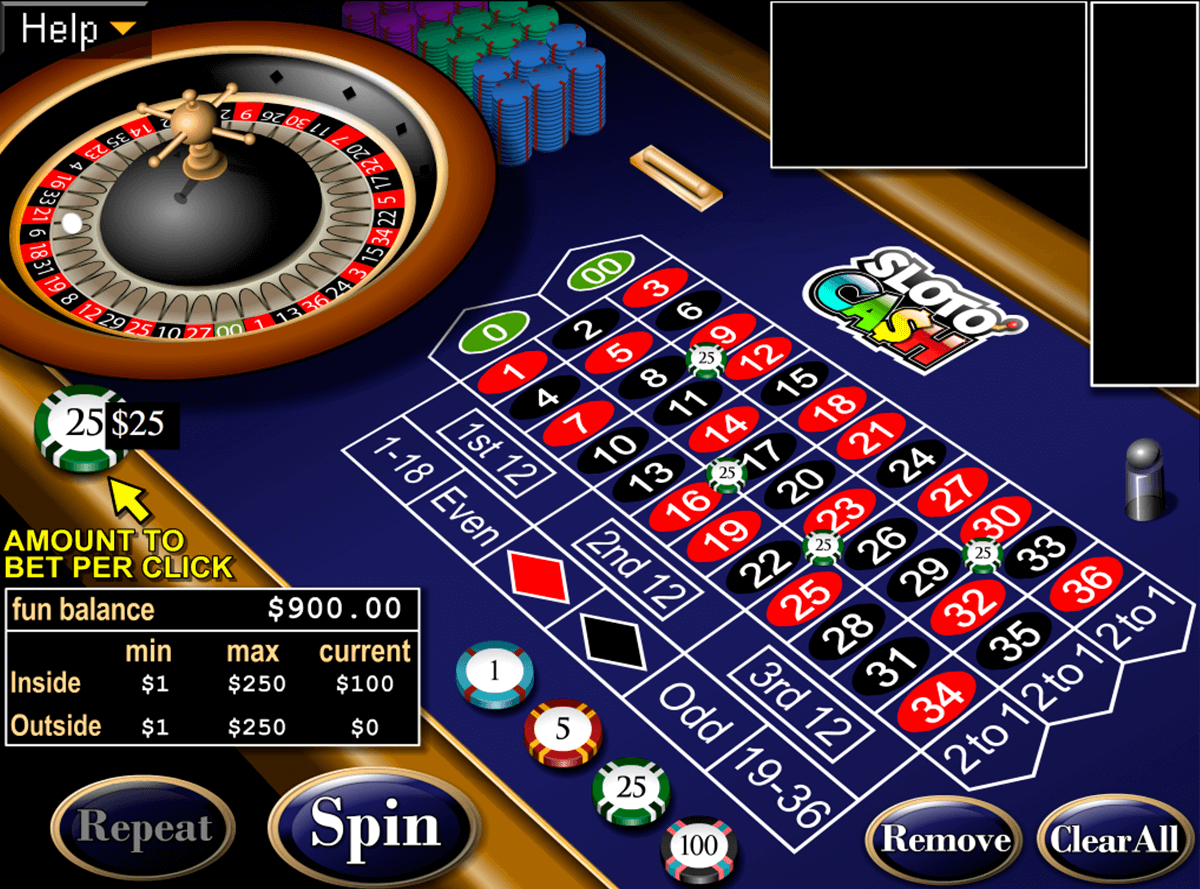
When playing at a real money casino, your game selection strategy should begin by prioritizing titles with the lowest house edge relative to your bankroll, not the flashiest themes. For slots, target those with published RTP above 96.5% and adjustable volatility—high variance suits a larger bankroll, while low variance preserves a small one. For table games, master a single variant of blackjack with 3:2 payouts and surrender, then stick to it exclusively, as switching rules mid-session erodes your edge. Always set a session loss limit before you sit down and physically stop when you hit it. Choose European roulette over American; the single zero cuts the house edge in half. Bet sizing should be a fixed percentage of your bankroll—1% to 2% per spin or hand—never a flat amount that decays as you lose. Your goal is not to win every session but to survive variance while maximizing the compounding effect of favorable odds over hundreds of decisions.
High RTP Slots vs. Progressive Jackpots: A Trade-Off Analysis
Choosing between high RTP slots vs. progressive jackpots hinges on your bankroll strategy and risk tolerance. High RTP slots return a larger percentage of wagers over time, offering frequent, modest wins that extend play sessions and reduce volatility—ideal for steady, calculated stake management. Progressive jackpots, by contrast, divert a portion of each bet into a shared prize pool, lowering the base-game RTP and increasing variance. This trade-off means you trade consistent returns for a slim chance at life-changing payouts. Your decision should align with whether you prioritize session longevity or the potential for a single massive hit.
- High RTP slots typically offer 96–98% return, while progressives often fall below 92%.
- Progressives require maximum bets to qualify for the full jackpot, shrinking effective bankroll value.
- Winning a progressive jackpot is statistically rare; high RTP slots compensate with predictable payout intervals.
Table Games Where Skill Reduces the House Edge
When you’re picking games for real stakes, the smartest move is focusing on table games where skill reduces the house edge. Blackjack is the classic example—learn basic strategy perfectly, and you can slash the casino’s advantage down to under 0.5%, turning a fast game into a winnable grind. Video poker works the same way, since holding the right cards matters more than luck. Craps also rewards skill if you stick to the pass line with odds, cutting the edge to near zero. Unlike roulette or slots, these tables let your decisions directly shape your long-term losses. That’s the real difference—playing smarter, not just hoping harder.
Live Dealer Experiences: Bridging Atmosphere and Trust
When you’re playing for real stakes, live dealer tables deliver the closest thing to a brick-and-mortar floor without leaving your couch. The visible shuffle, the croupier’s chat, and the real-time chip movements rebuild that sensory buzz you miss online, making every hand feel more legitimate. That human presence directly tackles the worry of rigged software, since you can watch every deal unfold, which is why live dealer trust signals matter so much for serious bettors. Pick tables with multiple camera angles and seasoned hosts—they keep the pace lively and the vibe social. *Even if you lose, the transparency of watching a real person handle your money softens the sting.* Stick to studios with stable streams and clear audio, so atmosphere never distracts from the math you’re tracking.
Video Poker as a Low-Variance Option
For real-stakes players seeking to stretch a bankroll, video poker as a low-variance option delivers predictable swings compared to slots or even blackjack. Because payouts are fixed by the paytable and your skill influences the outcome—specifically, holding the mathematically optimal cards—short-term losses are smaller and less frequent. Jacks-or-Better with a full-pay table, for instance, returns roughly 99.5% with disciplined play, and the variance coefficient sits near 19, versus 25–30 for standard slots. This means your session length extends considerably, allowing you to ride out cold streaks without chasing losses or hitting a zero balance prematurely. You also control the number of hands played per hour, letting you reduce wager frequency when variance spikes. Consequently, video poker suits players who want extended table-time and fewer catastrophic downswings, while still retaining a theoretical edge against the house over thousands of hands.

Key takeaway: Prioritize video poker with a full paytable when your goal is minimizing bankroll volatility at real-money stakes, not maximizing jackpot potential.
Side Bets: The Hidden Cost Behind Flashy Payouts
Side bets lure players with jackpot-sized odds, but their hidden house edge often exceeds 10%, versus under 2% for the main game. Before you chase that 1,000-to-1 payout, calculate the true cost: a $5 side wager on blackjack’s 21+3 repeats every hand, draining bankrolls faster than a bad losing streak. To mitigate the damage, apply a strict sequence: first, set a fixed side-bet budget (e.g., 5% of session funds); second, cap the number of side bets per hour; third, walk away once that budget hits zero. Remember, return-to-player figures on flashy props rarely account for cumulative losses across multiple rounds, making each spin a silent tax on your main strategy.
- Audit the side bet’s house edge before playing.
- Allocate a separate, tiny bankroll for it.
- Track losses in real time—stop at your cap.
Psychological Pitfalls When Playing for Keeps
When you’re playing at a real money casino, the psychology shifts hard because every decision carries actual weight. The biggest pitfall is chasing losses—your brain treats a losing session as a personal failure, so you raise stakes to “win it back,” which usually digs the hole deeper. Another trap is the “near-miss” effect, where a spin that lands one symbol short feels like skill, tricking you into betting more. You also start overvaluing small wins, using them as proof you’re “hot,” even though they’re statistically irrelevant. Meanwhile, the sunk cost fallacy keeps you seated because you’ve already deposited—so quitting feels like wasting that money.
The real danger is that your emotional state, not the odds, starts dictating every bet you place.
Set a hard loss limit before you start, and treat it as non-negotiable, or your own mind will talk you into playing for keeps when you should walk away.
The Chasing-Losses Loop and How to Break It
The chasing-losses loop begins when a losing session triggers an urgent, irrational belief that the next bet will restore the balance—a cognitive error that transforms a single session into a cascade of escalating stakes. This cycle thrives on emotional momentum, not probability, because each failed recovery deepens the financial hole and sharpens the compulsion. To break it, you must pre-commit to loss limits before playing, then honor them as rigid boundaries rather than suggestions. A practical rule is to step away for 24 hours after hitting your cap, allowing the brain’s reward system to reset. Alternatively, switch to a different game or denomination, which disrupts the automatic betting pattern. Effective loss-chasing prevention relies on external controls, like leaving your card in the car or using a deposit limit, since willpower fades under pressure. The goal is to interrupt the loop at its first trigger, not mid-escalation.
Time Distortion: Why Hour-Long Sessions Feel Like Minutes
When wagering real money, your brain’s time perception collapses because reward anticipation floods dopamine, compressing clock awareness. You enter a flow state where each spin or hand resets attention, so hour-long sessions feel like minutes without an external cue. This distortion is amplified by autoplay features, rapid round cycles, and the absence of natural breaks like dealer shuffles or travel time. To counter it, set a hard alarm on a separate device—not the casino screen—and physically stand after every 20 minutes. Your internal timer is unreliable under variable-ratio reinforcement, so treat the wall clock as your only truth, not your felt duration.
Time distortion tricks you into playing longer because dopamine erases internal timekeeping; only external alarms and physical breaks can restore accurate session length.
Emotional Bankrolling: When Feelings Dictate Stake Sizes
When playing at a real money casino, emotional bankrolling occurs when a hot streak or a bitter loss hijacks your rational stake-sizing. After a big win, euphoria convinces you that “the house money” is free, so you inflate bets beyond your normal comfort zone. Conversely, after a painful loss, frustration-driven revenge betting makes you double down to chase the deficit, often blowing through your session budget in minutes. This cycle is insidious because it replaces pre-set limits with moment-to-moment feelings, turning every spin into a reaction rather than a plan. To counter it, anchor each wager to a fixed percentage of your bankroll before you start, and walk away the instant your mood shifts.
- Set a hard max bet amount before you begin, and never revise it during a losing streak.
- Treat “winnings” as still your money—do not artificially inflate stakes just because you are up.
- Use a cooling-off timer after any win or loss that spikes your heart rate.
Mobile and Technological Advancements in Paid Gaming
Modern mobile casino platforms now use hybrid rendering to stream live dealer tables at 60fps with near-zero latency, replicating a physical pit on your phone. For real money play, prioritize apps with biometric authentication and server-side RNG verification—this prevents tampering on jailbroken devices. Touch-optimized bet slips let you adjust stakes with a single thumb swipe, while haptic feedback confirms chip placement. Crucially, Wi-Fi calling or 5G standalone networks cut transaction processing time for cashouts to under 3 seconds, avoiding mid-hand disconnects that freeze active wagers. Always enable digital vault locks in the app’s security menu to isolate gambling funds from your main bank balance. For high-stakes sessions, use split-screen mode to monitor both the table and your rolling profit/loss meter simultaneously—a feature absent in desktop clients. Lastly, test hardware-accelerated graphics on older phones; if the device heats up after 10 minutes, switch to the lightweight HTML5 client to prevent thermal throttling affecting your reaction time.
App-Only Promotions vs. Desktop Parity
App-only promotions create a deliberate split between mobile and desktop gaming, rewarding users who play exclusively through a casino’s native app with deposit matches, free spins, or reload bonuses that are invisible on a PC browser. Desktop parity in real money casino play means that any bonus advertised on a mobile app must also be claimable on a desktop site, or else players face an uneven playing field. To navigate this divergence, follow this sequence: first, check the bonus terms for a “mobile-only” tag before depositing; second, compare the wagering requirements between app and desktop offers; third, log into both platforms to verify if the same promo code activates on each; fourth, decide whether the convenience of app-exclusive perks outweighs the larger screen and multi-tab strategy options of desktop play. This comparison directly impacts your effective bankroll, so always audit which device receives the superior value.
Cryptocurrency Deposits: Anonymity and Volatility Trade-Offs
Cryptocurrency deposits in real money casinos hand you a double-edged sword: **privacy versus price swings**. You sidestep bank scrutiny by funding your play with Bitcoin or Ethereum, keeping your gambling footprint off traditional ledgers. Yet that anonymity costs you—your bankroll’s value can plummet 10% while you’re chasing a jackpot. Unlike fiat, which holds steady at the cashier, crypto’s volatile nature means your $100 deposit might buy fewer spins tomorrow. Timing your conversion is a skill; many players deposit during dips to stretch their balance, but the trade-off is real: total secrecy demands you accept unpredictable purchasing power.
Q: How do anonymity and volatility clash when depositing crypto at a casino?
A: You’re trading your identity for exposure—the same wallet hash that hides your name also binds you to market chaos, so a winning streak can be erased by a sudden coin dump before you cash out.
Biometric Security Measures for Faster Cashouts
Biometric security measures for faster cashouts in real money casinos replace password-typing delays with instant fingerprint or facial scans, shaving minutes off withdrawal requests. By confirming identity at the payout screen, these systems slash verification queues, letting you transfer winnings to e-wallets or cards in under a minute. Faster cashouts via biometric authentication also reduce fraud-related holds, since your unique biological markers make unauthorized withdrawals nearly impossible. However, speed only feels seamless when the casino’s biometric server syncs directly with its payment gateway, avoiding re-authentication loops.
Q: Do biometric cashouts require re-scanning for every withdrawal?
A: Most platforms authorize your device once per session, so subsequent cashouts within that session process instantly without another scan.
Geographic Nuances Affecting Your Play
Your physical location silently rewrites the rules of real-money play before you even spin. In regions with harsh weather, a sudden storm can sever your fiber connection mid-hand, costing you a live blackjack bet—so a mobile hotspot becomes your emergency parachute. Time zones dictate your peak payout windows; playing at 3 AM local time often means thinner liquidity, slowing cashouts in high-stakes games, while prime evening hours match you against sharper competition. Cross-border travel can instantly flip your game’s legality, and your geo-IP may trigger a forced withdrawal block. Q: Why does my location affect payout speed? A: Your region’s banking infrastructure and server proximity determine processing delays—remote areas add hours, not minutes. Always scout your current jurisdiction’s ping and payment rails before depositing.
State-by-State Legal Differences in the US Market
State-by-State legal differences in the US market mean your access to real money casino play shifts the moment you cross a border. In New Jersey, Pennsylvania, Michigan, and West Virginia, full online casino lobbies are available; however, if you are physically in a state like Nevada, you are limited to poker-only platforms, not slots or table games. Meanwhile, states like California and Texas offer no legal real-money casino sites, forcing players to rely on sweepstakes or social formats that are not true cash wagering. Geolocation compliance is non-negotiable, as casinos verify your IP address against approved state borders. Crossing into an unregulated state instantly blocks your session, so always check the local map before planning a session.
Q: Why can’t I use my New Jersey casino account while visiting Florida?
A: Because state-by-state legal differences require your physical presence within a licensed jurisdiction; Florida has not authorized real money casino play, so the platform locks your account immediately.
Cross-Border Payment Restrictions and Workarounds
Cross-border payment blocks often hit when your bank flags a casino transaction as foreign, freezing deposits mid-session. Workarounds start with prepaid cards loaded in your local currency, which bypass card-issuer restrictions entirely. E-wallets like Skrill or Neteller act as intermediaries, converting funds before they reach the casino, dodging direct bank scrutiny. For stricter regions, cryptocurrency transfers offer near-instant settlement without traditional banking rails, though you’ll need a wallet that supports your target currency. Always test a small withdrawal first to confirm the reverse path works—many players get trapped when winnings can’t return across borders. Cross-border payment workarounds require layering two payment methods: one for entry, one for exit.
Payment restrictions are a hurdle, not a wall—prepaid cards, e-wallets, and crypto create reliable loops that keep your play funded and your winnings retrievable across borders.
Local Currency Conversion Fees That Eat Profits
When you play at a real money casino that prices itself in USD, EUR, or GBP, your home currency triggers a hidden local currency conversion fee on every deposit and withdrawal. Banks and payment processors typically charge 2.5% to 4% above the live exchange rate, silently shaving your bankroll before a single spin. A $100 deposit can cost you $104 instantly, and cashing out adds another hit on the converted amount. To avoid this profit leak, choose casinos that display your native currency, fund accounts via e-wallets with zero-fee FX, or use credit cards that waive international transaction charges. Always check the checkout screen for “conversion rate applied” before confirming, because every percentage point lost here is a direct cut from your winnings.
Smart Withdrawal and Cash-Out Tactics
Smart withdrawal and cash-out tactics in real money casinos are all about locking in wins before the house edge grinds you down. Set a profit target—say, double your buy-in—and cash out immediately once hit, leaving only a small float if you want to keep playing. Likewise, always withdraw via the same method you deposited with to avoid unnecessary verification delays, and schedule payouts for weekdays since bank processing often stalls over weekends. **The golden rule is to treat your casino balance as temporary income, not a savings account.** Quick question: “Should I ever chase a bonus wagering requirement just to cash out?” No—if the playthrough demands more than 10x your bonus, forfeit it and withdraw your real cash funds instead; your bankroll will thank you. Stick to instant e-wallets or crypto to shave hours off processing time.

Minimum and Maximum Payout Thresholds Explained
When you cash out at a real money casino, minimum and maximum payout thresholds dictate how much you can withdraw in a single transaction. The minimum threshold is usually $10–$20, so you can’t request a tiny $5 payout—it saves processing fees. The maximum cap, however, often sits between $2,000 and $10,000 per transaction, depending on your payment method (e-wallets usually allow higher limits than bank transfers). *If your winnings exceed the cap, you’ll need to split withdrawals across multiple days, which delays access to your full balance.* Always check the cashier page before playing—some casinos impose daily or weekly caps that silently limit your total cash-out speed.
Verification Processes: Preparing Documents Ahead of Time
Verification is the final hurdle before your real money casino winnings hit your bank, so preparing documents ahead of time turns a potential delay into a seamless cash-out. Upload a clear, unexpired government-issued ID, a recent utility bill matching your address, and a copy of your payment method—all before you even request a withdrawal. This ensures your account is already “verified” when the urge to cash out strikes. Pre-verified accounts enjoy priority processing, bypassing the standard 24–72 hour review window that traps unprepared players. Q: What if my documents are rejected? Resubmit sharper scans immediately, and contact support to confirm alternative formats—just never wait until payout day to fix it.
Using E-Wallets vs. Direct Bank Transfers for Speed
When you hit that cash-out button, the payment method dictates your patience level. E-wallets like Skrill or PayPal typically process withdrawals in under 12 hours, often instantly, because they bypass banking queues and operate on proprietary transfer rails. Direct bank transfers, however, rely on traditional clearing cycles, which drag the payout to 1–5 business days. For fast casino payouts via e-wallets, the sequence is simple: request the withdrawal, verify the one-time e-wallet transaction, and see funds land within minutes. Conversely, bank transfers demand extra security delays, weekend exclusions, and manual reconciliation. If speed is your priority, always set your casino account’s primary cash-out method to an e-wallet—just verify your wallet ID and withdrawal limits before playing.
Tax Implications of Significant Wins
When you land a significant win at a real money casino, the tax treatment hinges on your jurisdiction and the win type. In the US, for example, the IRS requires casinos to report slot or table wins above a threshold (typically $1,200 for slots) via Form W-2G, and you must declare this income. However, you can offset gambling loss deductions against your winnings if you itemize, but only up to the amount won. Keep a detailed session log and all receipts to substantiate losses. For progressive jackpots, tax is often withheld immediately at 24%, so plan for a reduced payout. Always consult a tax professional familiar with gambling law, as state rates vary significantly.
- Document every win and loss with timestamps and casino receipts.
- Request a W-2G or equivalent statement from the casino for any reportable win.
- Set aside a fixed percentage (e.g., 25–30%) of the net profit before spending, to cover federal and state liabilities.
Tracking Your Net Results for Accurate Record-Keeping
Keeping a simple spreadsheet of every deposit and withdrawal is the backbone of accurate record-keeping for cash-outs. Don’t just note the win—track your net result by subtracting all buy-ins from your total payouts after each session. That way, you know exactly what portion of a withdrawal is profit versus your own bankroll returning. Log dates, amounts, and game type so you can spot patterns in your spending. This habit prevents surprise tax headaches and stops you from overestimating your success.
**Q: How often should I update my net results?**
Do it right after every cash-out, while the numbers are fresh. A five-minute update beats guessing later.

Responsible Play Protocols for Long-Term Engagement
For sustainable play at a real money casino, Responsible Play Protocols hinge on pre-committed loss limits and session timers, which you must set before depositing. These tools transform impulse into discipline, ensuring your bankroll survives the inevitable variance. By activating self-exclusion for cooling-off periods after a losing streak, you protect long-term engagement from emotional tilt. Always reconcile your deposits against a fixed monthly entertainment budget, never chasing losses with funds earmarked for essentials. Use reality checks to audit your win rate versus time spent; if the ratio skews negative, reduce stake size immediately. This structured approach keeps the real money casino experience thrilling yet controlled, allowing you to return consistently without financial strain or eroded enjoyment.
Self-Exclusion Tools and Cooling-Off Periods
Self-exclusion tools and cooling-off periods are your built-in circuit breakers for sustainable play at a real money casino. A cooling-off period, typically 24 hours to six weeks, instantly freezes your account, giving impulsive urges time to dissolve before they impact your bankroll. For deeper intervention, self-exclusion locks you out for months or even years, severing access to deposits and gameplay entirely. These aren’t punishments; they’re strategic resets that protect your long-term enjoyment. Before you hit the tables, know exactly where the “limit” and “self-exclude” buttons live in your account settings—and test them once, even if you don’t use them. Proactive self-exclusion planning transforms a reactive crisis into a calm, pre-planned safeguard.
Q: Can I cancel a self-exclusion before the time ends?
A: Usually no—and that’s the point. Most real money casinos require a formal request with a mandatory reflection period (often 48 hours) before any reversal, and many make the original term non-negotiable for the first 30 days. That friction is your friend, ensuring you don’t undo a clear-headed decision on a whim.
Reality Checks and Session Reminders That Work
Effective reality checks in a real-money casino environment hinge on interrupting autoplay and full-screen immersion at preset intervals, typically every 15 or 30 minutes. These pop-ups must display session duration, net win/loss, and a one-tap exit link, forcing a conscious decision rather than passive scrolling. For session reminders to work, pair visual alerts with an audible tone and require a deliberate “continue” click—otherwise, players dismiss them reflexively. Timed loss-limit alerts that trigger mid-session are the most actionable form of reminder, as they recalibrate betting behavior before tilt sets in. Testing different interval lengths during live play reveals that shorter, frequent prompts outperform longer, rare ones for sustained awareness.
- Set a hard cap on consecutive reminder dismissals (e.g., three max) before auto-logout triggers.
- Use a color-shift on the timer overlay (green to amber) as the session nears a self-set limit.
- Include a one-click “bankroll snapshot” in the reminder to track actual units spent versus time elapsed.
Recognizing Early Signs of Compulsive Behavior
Recognizing early signs of compulsive behavior starts with tracking your own emotional state, not just your bankroll. If you find yourself chasing losses with increasing bets or feeling restless when not playing, these are immediate red flags. Another key indicator is a pattern of planning your day around gaming sessions, or neglecting meals and social obligations to keep playing. You might also notice a shift from enjoying the game to playing on autopilot. Early risk markers for compulsive gambling include lying about time spent or stake size. Ask yourself: Have I felt anxious or irritable when trying to cut back on playing time? If yes, that tension is a primary warning signal.
Future Trends Shaping Paid Gambling Experiences
Future trends are steering real money casinos toward hyper-personalized, adaptive gaming environments where AI analyzes your play style in real time, tweaking bonus structures and game volatility to keep engagement high. Expect skill-based slots and live dealer tables with augmented reality overlays that project odds and past outcomes directly onto your screen, making every wager feel more calculated.
Cryptocurrency micro-betting will become seamless, allowing instant wagers on in-game events like a dealer’s next card suit, with payouts settled in seconds.
Biomechanical feedback—pulse or eye tracking—will adjust difficulty or suggest safer bet sizes when you’re tilted, blending thrill with responsible mechanics. These shifts transform the real money casino from a static spin into a living, reactive risk-reward ecosystem built for sustained, immersive play.
Virtual Reality Tables and Immersive Betting
Picture yourself pulling up a virtual chair at a VR blackjack table, where you can lean in, read the dealer’s animations, and toss chips with a flick of your wrist. That’s the core of virtual reality tables—real-money bets feel more tactile because you’re physically reaching for cards and spinning roulette wheels in a 3D space. Immersive betting goes deeper: live dealer feeds blend with haptic feedback, so a winning hand gives a subtle vibration, and you can glance around the room to spot other players’ reactions. It turns a quick wager into a social, almost arcade-like session.
- Use hand-tracking gestures to split or double down without clicking a button.
- Adjust your seat angle or table lighting to mimic your favorite brick-and-mortar casino.
- Enable sound cues that change pitch when the pot grows, keeping you locked in.
AI-Driven Personalization of Offers and Limits
At the heart of tomorrow’s real money casino experience, AI-driven personalization of offers and limits reshapes how you play, moving beyond static bonuses to dynamic, real-time adjustments. The system learns your session rhythm, wagering style, and even time-of-day preferences, then tailors deposit match offers to your gambleonline.co.nz exact appetite. Crucially, your loss and spending caps evolve alongside your behavior, tightening instantly if erratic patterns emerge or loosening strategically when you’re playing consistently well. This isn’t a one-size-fits-all cage; it’s a fluid balance where every promotion and every boundary feels uniquely yours, keeping the thrill calibrated to your personal risk profile.
Blockchain-Based Provably Fair Systems
Blockchain-based provably fair systems let you verify each real money casino outcome through cryptographic hashes, ensuring the house cannot alter results after your bet is placed. Before a round, the casino commits to a server seed you can inspect; after the game, you use your client seed and the revealed server seed to independently confirm the random number generated exactly matches the displayed outcome. This eliminates reliance on trust in the operator, as every wager’s fairness is auditable in real time. Most systems use open-source algorithms, allowing you to compare the calculated result against the transaction record on-chain. Provably fair verification tools are typically built directly into the game interface, showing the seed hashes and nonces. These systems also enable instant payout settlements via smart contracts, removing manual withdrawal delays and reducing disputes over disputed rounds.







 会员专属
会员专属